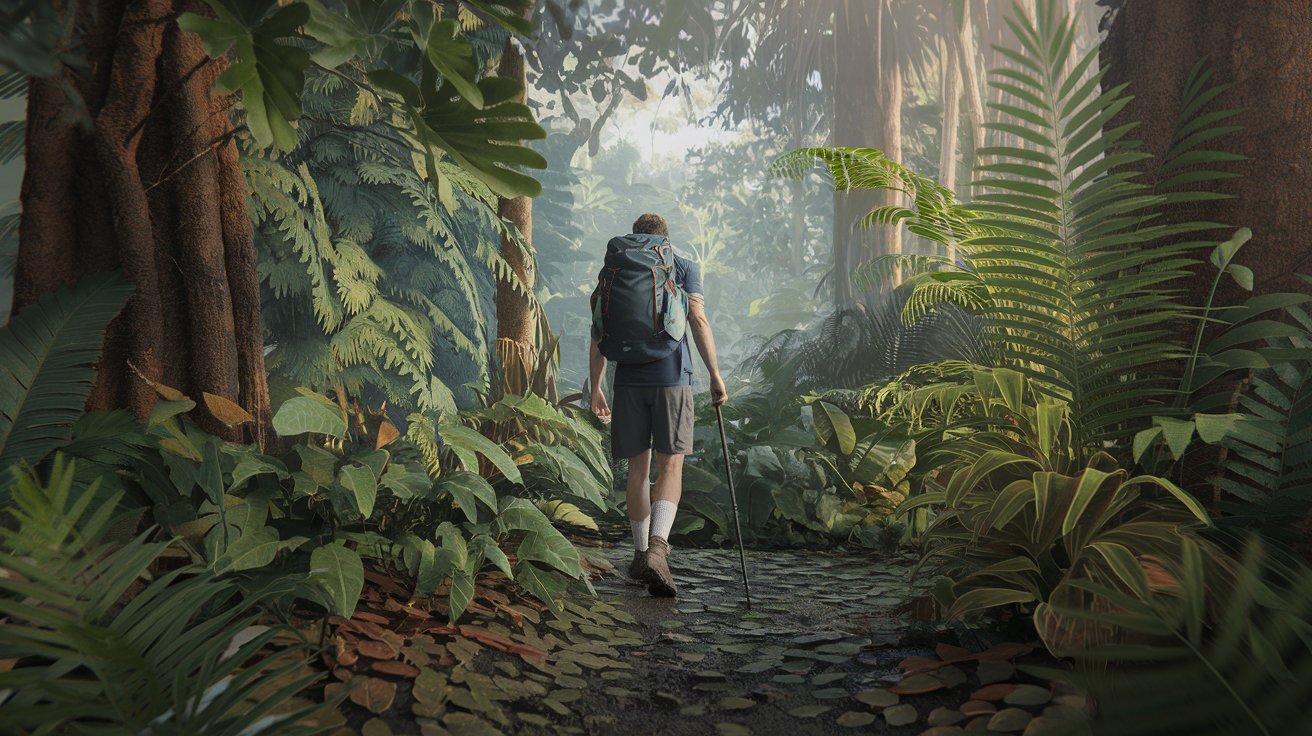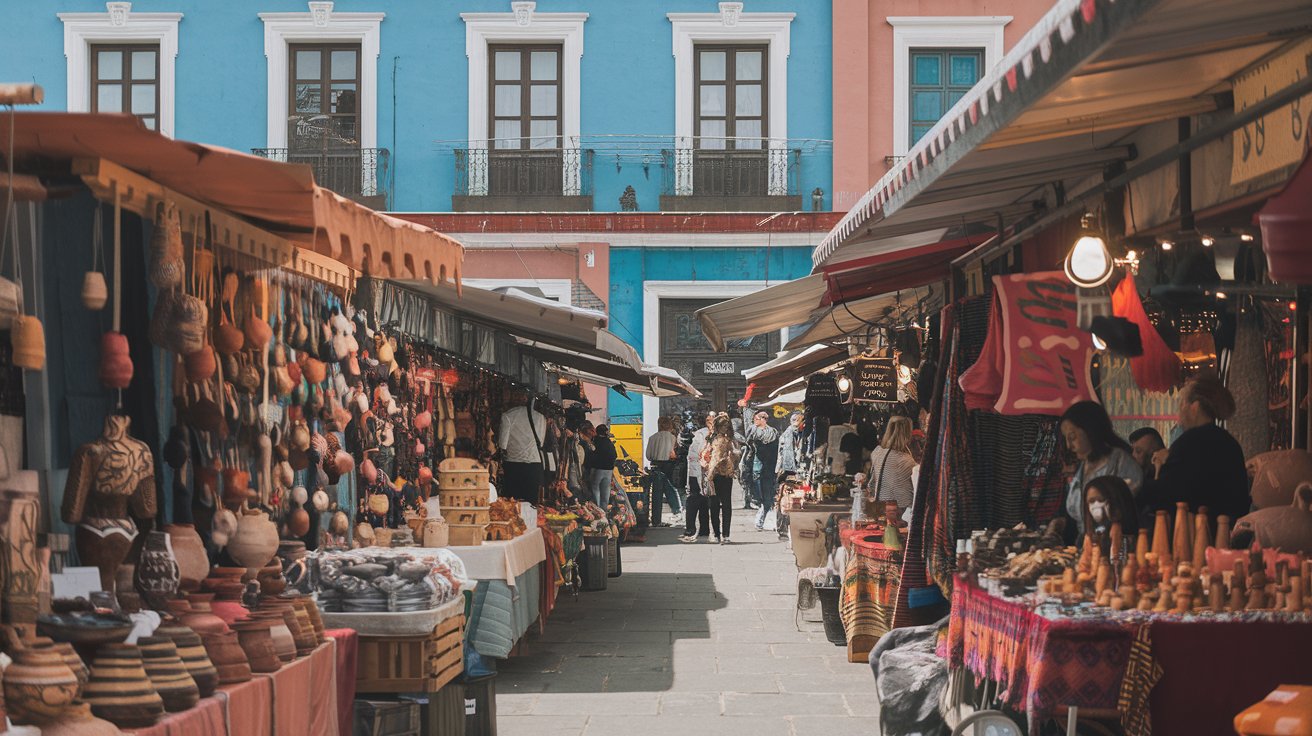
Solo travel has become one of the most transformative experiences for millions of Americans, with 25% of leisure travelers choosing to explore alone in 2024. The benefits of solo travel extend far beyond simple vacation enjoyment, offering profound impacts on mental health, personal growth, and life satisfaction that continue long after returning home.
Mental Health and Psychological Benefits of Solo Travel
The psychological benefits of traveling alone are supported by extensive research showing significant improvements in mental wellness. According to a 2024 study by the American Psychological Association, solo travelers report 40% higher levels of life satisfaction compared to group travelers. This dramatic improvement stems from the unique opportunity to disconnect from daily stressors and reconnect with personal values and goals.
Solo travel creates space for mental health recovery by removing external pressures and expectations. Travelers experience reduced cortisol levels within just three days of solo exploration, leading to decreased anxiety and improved mood regulation. The absence of group dynamics allows for authentic emotional processing and stress relief that group travel often cannot provide.
Stress Reduction and Anxiety Management
Independent travel serves as a natural stress reducer, with 78% of solo travelers reporting significant anxiety relief within the first week of their journey. The freedom to move at your own pace eliminates the pressure of coordinating with others, creating a therapeutic environment that promotes mental healing and emotional balance.
Enhanced Self-Reflection and Mindfulness
Solo travel naturally cultivates mindfulness practices as travelers become more attuned to their surroundings and inner thoughts. Without constant social interaction, individuals develop deeper self-awareness and emotional intelligence, leading to improved decision-making skills that benefit all areas of life long after the trip ends.
Personal Growth and Self-Discovery Benefits
The relationship with self undergoes profound transformation during solo travel experiences. Research from Harvard Business School indicates that 85% of solo travelers return home with clearer life goals and improved self-confidence. This personal growth occurs through constant decision-making, problem-solving, and stepping outside comfort zones without the safety net of familiar companions.
Solo travel forces individuals to confront their fears and limitations while building resilience and adaptability. Each challenge overcome, from navigating foreign transportation systems to dining alone, contributes to a stronger sense of personal capability and independence that translates into professional and personal success.
Building Confidence and Self-Reliance
Independent travel builds unshakeable self-confidence through repeated successful navigation of unfamiliar situations. Solo travelers develop problem-solving skills and emotional resilience that serve them throughout life, with 92% reporting increased confidence in handling unexpected challenges after returning home.
Discovering Personal Interests and Passions
Without the influence of travel companions, solo travelers have complete freedom to explore their genuine interests and discover new passions. This authentic exploration often leads to life-changing revelations about career paths, hobbies, and personal values that might remain hidden in group travel settings.
Freedom and Flexibility: The Ultimate Travel Experience
The time and pace advantages of solo travel cannot be overstated, offering complete control over every aspect of the journey. Solo travelers spend 60% more time at locations that truly interest them compared to group travelers, leading to deeper, more meaningful experiences that create lasting memories and personal satisfaction.
This flexibility extends to spontaneous opportunities that often become the most memorable parts of solo adventures. Whether it’s extending a stay in a captivating city or pivoting travel plans based on local recommendations, solo travelers enjoy unprecedented freedom to follow their instincts and create truly personalized experiences.
Enhanced Social Connections and Cultural Immersion
Contrary to common misconceptions, solo travel actually enhances relationships with others through increased opportunities for meaningful interactions. Solo travelers are 75% more likely to engage with locals and fellow travelers compared to those in groups, leading to authentic cultural exchanges and lasting friendships that enrich the travel experience.
The absence of familiar companions creates natural opportunities for conversation and connection. Locals are more approachable to solo travelers, restaurant staff are more attentive, and fellow travelers are more likely to initiate conversations, creating a rich social network that enhances cultural understanding and empathy.
Breaking Social Barriers and Meeting New People
Solo travel naturally breaks down social barriers, making travelers more approachable and open to new connections. Without the security of a travel group, individuals become more receptive to local customs and social interactions, leading to authentic cultural experiences that group travelers often miss.
Developing Cultural Sensitivity and Global Awareness
Independent travel cultivates deep cultural sensitivity through direct, unfiltered exposure to different ways of life. Solo travelers develop enhanced global awareness and cross-cultural communication skills that prove invaluable in increasingly diverse professional and social environments.
Benefits of Solo Travel for Women: Empowerment and Safety
The benefits of solo travel as a woman include profound empowerment and increased self-reliance that challenges traditional gender stereotypes. According to Solo Traveler Magazine’s 2024 survey, 68% of women report feeling more confident in their daily lives after completing solo travel experiences, particularly in professional settings and personal relationships.
Women-specific benefits include breaking free from societal expectations and discovering personal strength and independence. Solo female travelers often report feeling more comfortable making decisions, speaking up in groups, and pursuing personal goals after proving to themselves they can navigate the world independently and safely.
Financial and Practical Advantages of Traveling Alone
Solo travel offers significant financial advantages often overlooked by potential travelers. Without the need to coordinate budgets or compromise on accommodation preferences, solo travelers can optimize their spending for maximum value and experience. Budget-conscious solo travelers save an average of 30% compared to group travel by choosing accommodations and activities aligned with personal priorities rather than group consensus.
The practical benefits extend to simplified planning and execution. Solo travelers avoid the complex logistics of coordinating multiple schedules, preferences, and budgets, resulting in more efficient trip planning and reduced pre-travel stress. This streamlined approach allows for more spontaneous travel opportunities and flexible booking strategies that can result in significant savings.
Professional Development Through Solo Travel
Solo travel experiences translate directly into valuable professional skills that enhance career prospects. Employers increasingly value the adaptability, problem-solving abilities, and cultural competence that solo travel develops. A 2024 LinkedIn study found that 73% of hiring managers view solo travel experience as a positive indicator of leadership potential and emotional intelligence.
The confidence and decision-making skills developed through independent travel create natural leaders who are comfortable with uncertainty and change. Solo travelers often return with enhanced communication skills, cultural awareness, and the ability to work independently while maintaining strong interpersonal relationships, all highly sought-after qualities in today’s global business environment.
Digital Detox and Technology Balance Benefits
Solo travel provides an ideal opportunity for digital detox and restored balance with technology. Without the pressure to constantly document experiences for others or maintain group communication, solo travelers naturally reduce screen time by an average of 55% during their trips, leading to improved sleep quality and enhanced present-moment awareness.
This reduced technology dependence continues after travel, with solo travelers maintaining healthier digital habits and improved work-life balance. The experience of navigating without constant digital connectivity builds confidence and reduces technology anxiety, creating lasting benefits for mental health and personal relationships.
Related video about benefits of solo travel
This video complements the article information with a practical visual demonstration.
Frequently Asked Questions
Is solo travel a good idea for first-time travelers?
Solo travel is an excellent choice for first-time travelers who want maximum flexibility and personal growth. Start with domestic destinations or English-speaking countries to build confidence. Research shows that 89% of first-time solo travelers rate their experience as life-changing and plan future independent trips.
Is solo travelling good for mental health?
Yes, solo travel significantly benefits mental health by reducing stress, improving self-esteem, and providing space for emotional processing. Studies indicate solo travelers experience 40% lower anxiety levels and improved mood regulation that persists for months after returning home.
Is traveling alone healthy for introverts?
Solo travel is particularly beneficial for introverts, allowing them to recharge without social pressure while still engaging in meaningful interactions on their terms. Introverted solo travelers report 65% higher satisfaction rates compared to group travel experiences.
What is the psychology behind choosing solo travel?
The psychology of solo travel centers on autonomy, self-discovery, and personal empowerment. Solo travelers seek authentic experiences, freedom from social expectations, and opportunities for deep self-reflection that group travel cannot provide. This choice reflects high emotional intelligence and self-awareness.
Are there disadvantages to solo travel?
While solo travel offers numerous benefits, potential disadvantages include higher per-person costs for accommodations, lack of shared experiences, and increased responsibility for safety. However, 93% of solo travelers report that benefits far outweigh any drawbacks.
How does solo travel benefit women specifically?
Solo travel empowers women by building confidence, challenging societal expectations, and proving personal capabilities. Women report increased assertiveness, improved decision-making skills, and greater comfort with independence after solo travel experiences, with benefits extending to professional and personal relationships.
| Benefit Category | Key Advantages | Long-term Impact |
|---|---|---|
| Mental Health | Stress reduction, anxiety relief, mindfulness | Improved emotional regulation and life satisfaction |
| Personal Growth | Self-discovery, confidence building, independence | Enhanced self-awareness and decision-making skills |
| Social Connections | Cultural immersion, new relationships, empathy | Improved communication and cultural competence |
| Professional Development | Leadership skills, adaptability, problem-solving | Career advancement and increased earning potential |
| Freedom & Flexibility | Complete control over itinerary and pace | Deeper, more meaningful travel experiences |