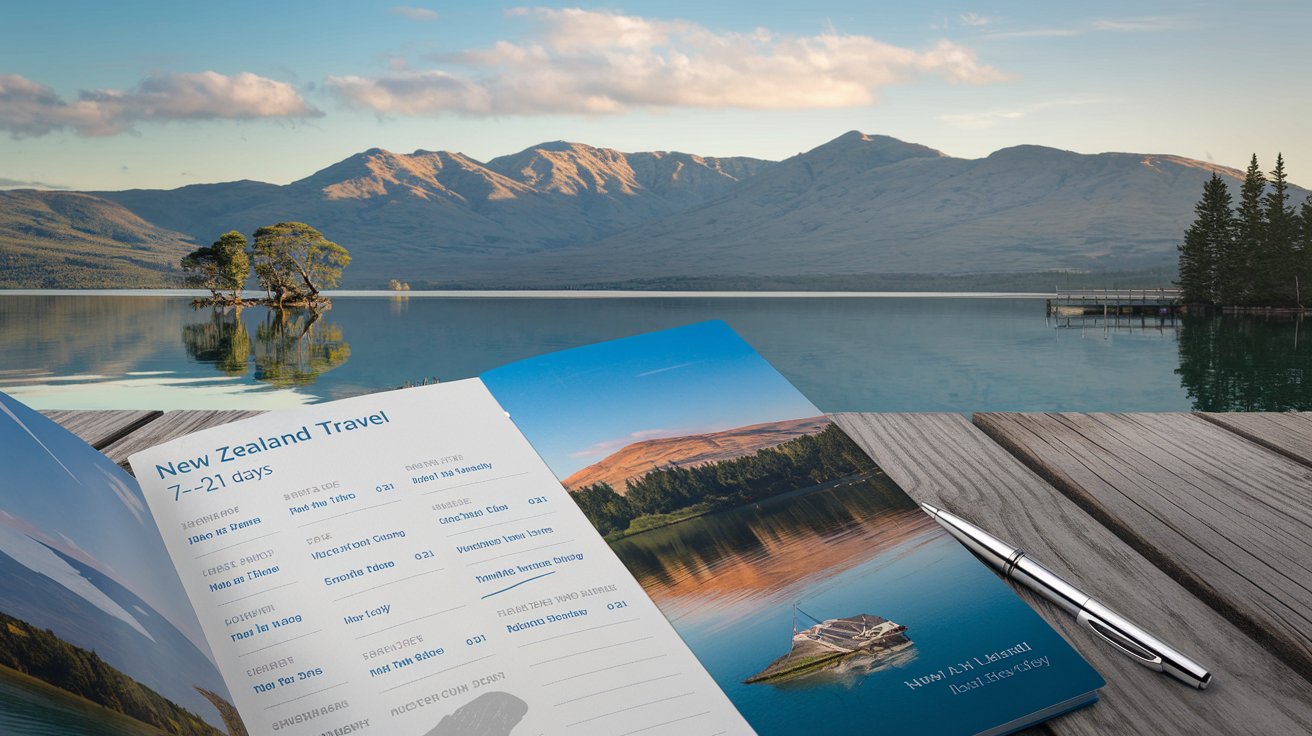
Planning a New Zealand travel itinerary requires careful consideration of your time frame, budget, and interests. This comprehensive guide provides detailed itineraries ranging from 7 to 21 days, helping US travelers experience the best of both North and South Islands. Whether you’re seeking adventure sports in Queenstown, geothermal wonders in Rotorua, or scenic drives through Milford Sound, our expertly crafted itineraries ensure you maximize your New Zealand experience.
New Zealand Itinerary 7 Days: Essential Highlights
A 7-day New Zealand itinerary requires strategic planning to cover the most iconic destinations. Focus on either the North or South Island to avoid rushed travel. The North Island offers Auckland’s urban attractions, Rotorua’s geothermal activity, and Waitomo’s glowworm caves. Alternatively, the South Island showcases Christchurch’s rebuilding efforts, Queenstown’s adventure sports, and Franz Josef’s glacial landscapes. For first-time visitors from the United States, we recommend dedicating your 7 days to the South Island due to its compact geography and diverse experiences.
Budget approximately $150-250 USD per day for accommodation, meals, and activities during your week-long adventure. Car rental costs average $40-60 USD daily, while domestic flights between major cities range from $100-200 USD. Book accommodations 2-3 months in advance, especially during peak season (December-February). Consider purchasing a New Zealand SIM card upon arrival for navigation and communication, costing around $30-50 USD for weekly coverage.
New Zealand Itinerary 10 Days: North and South Island Combo
A 10-day New Zealand travel itinerary allows exploration of both islands with strategic time management. Allocate 4-5 days to each island, utilizing domestic flights to minimize travel time. Start in Auckland for 2 days, exploring the Sky Tower and nearby Waiheke Island. Move to Rotorua for geothermal experiences, then fly south to Christchurch. Dedicate your remaining days to Queenstown and surrounding attractions like Milford Sound. This 10-day schedule provides a balanced introduction to New Zealand’s diverse landscapes and cultural experiences.
Transportation costs for a 10-day trip average $600-900 USD per person, including domestic flights, car rentals, and ferry transfers. Accommodation ranges from $80-150 USD nightly for mid-range options. Activities like bungy jumping, glacier tours, and Maori cultural experiences cost $50-200 USD each. Book popular attractions like Milford Sound cruises and adventure sports several weeks in advance to secure availability and better rates during your New Zealand adventure.
New Zealand Itinerary 14 Days: Comprehensive Island Experience
The 14-day New Zealand itinerary represents the sweet spot for comprehensive exploration without feeling rushed. This duration allows 7 days per island with comfortable travel pacing. Begin in Auckland, progress through Rotorua and Wellington on the North Island, then ferry to the South Island for Christchurch, Queenstown, and the West Coast. Your two-week journey enables deeper cultural immersion, extended hiking opportunities, and spontaneous discoveries that shorter itineraries cannot accommodate.
North Island: Days 1-7 Detailed Breakdown
Days 1-2 focus on Auckland exploration, including the Maritime Museum, Auckland Domain, and Waiheke Island wine tours. Days 3-4 center on Rotorua’s geothermal parks like Te Puia and Wai-O-Tapu, plus evening Maori cultural performances. Day 5 involves travel to Waitomo for glowworm cave tours, while Days 6-7 explore Wellington’s Te Papa Museum, cable car rides, and craft beer scene. This North Island portion provides excellent preparation for the South Island’s natural wonders.
South Island: Days 8-14 Adventure Focus
Begin your South Island adventure in Christchurch (Day 8), exploring the rebuilt city center and Botanic Gardens. Days 9-10 feature the West Coast drive to Franz Josef Glacier, with helicopter tours and hiking opportunities. Days 11-12 focus on Queenstown’s adventure sports including bungy jumping, skydiving, and jet boating. Your final days (13-14) explore Milford Sound’s fjords via scenic cruise, completing your comprehensive New Zealand experience with unforgettable natural beauty.
New Zealand Itinerary 21 Days: Ultimate Explorer Experience
A 3-week New Zealand itinerary enables exploration of remote regions and extended outdoor activities. This duration suits adventure enthusiasts seeking multi-day hikes, detailed cultural experiences, and off-the-beaten-path discoveries. Include Stewart Island visits, Abel Tasman National Park sea kayaking, and extended time in Fiordland National Park. Your 21-day journey allows for weather contingencies and spontaneous detours that create the most memorable travel experiences.
Extended stays reduce daily transportation costs while enabling deeper regional exploration. Budget $3,500-5,500 USD per person for a comprehensive 3-week adventure, including domestic flights, quality accommodations, and premium activities. Book accommodations with flexible cancellation policies to accommodate weather delays common in Fiordland and West Coast regions. Consider guided tours for challenging activities like multi-day hikes and glacier explorations to ensure safety and maximize your New Zealand adventure.
Best Month to Visit New Zealand from the United States
The best months to visit New Zealand are November through April, corresponding to the southern hemisphere’s spring and summer seasons. December through February offers peak weather conditions but also maximum crowds and highest prices. March and April provide excellent weather with fewer tourists and reduced accommodation costs. For US travelers, planning your New Zealand travel itinerary during shoulder seasons (October-November and March-April) balances favorable conditions with better value.
Winter months (June-August) offer unique experiences like snow sports in Queenstown and clearer mountain views, though some activities have limited availability. Shoulder season travelers enjoy average temperatures of 60-75°F (15-24°C) with minimal rainfall in most regions. Peak season accommodations cost 30-50% more than shoulder season rates, while domestic flights see similar price variations. Book your New Zealand adventure 3-4 months in advance for optimal pricing and availability regardless of travel season.
Average Cost of New Zealand Travel from the United States
The average cost of a New Zealand trip from the United States ranges from $3,000-6,000 per person for 10-14 days, including flights, accommodation, meals, and activities. Round-trip flights from major US cities cost $800-1,400 USD, varying by season and booking timing. Daily expenses average $100-200 USD for mid-range travelers, including accommodation ($60-120), meals ($30-50), and activities ($30-100). Budget travelers can reduce costs to $70-100 daily through hostels, self-catering, and free activities throughout their New Zealand travel itinerary.
Accommodation Cost Breakdown by Category
Budget accommodations including hostels and backpacker lodges cost $25-50 USD nightly, while mid-range hotels and motels average $80-150 USD. Luxury lodges and hotels range from $200-500+ USD per night, particularly in Queenstown and Auckland. Vacation rentals through platforms like Airbnb offer good value for groups, averaging $60-120 USD nightly for entire apartments. Book accommodations early during peak season to secure better rates and availability for your New Zealand adventure.
Transportation and Activity Costs
Car rental costs average $30-60 USD daily for economy vehicles, plus fuel at approximately $6-7 USD per gallon. Domestic flights between main cities cost $80-200 USD, while intercity buses offer budget alternatives at $30-80 USD per route. Popular activities like Milford Sound cruises ($80-150), bungy jumping ($180-250), and glacier tours ($250-400) represent significant but worthwhile investments in your New Zealand travel itinerary experience.
Essential Do’s and Don’ts for New Zealand Travel
Understanding New Zealand customs and etiquette enhances your travel experience and shows respect for local culture. Do declare all food items at customs, as New Zealand maintains strict biosecurity measures. Don’t underestimate driving distances or weather changes, as conditions can vary dramatically within short distances. Do book popular attractions and accommodations well in advance, especially during peak season from December through February when many US travelers visit during their winter holiday period.
Do respect Maori cultural sites and protocols, including removing shoes when requested and not climbing on sacred locations. Don’t litter or damage natural environments, as New Zealand takes conservation seriously with significant penalties for violations. Do carry appropriate clothing for multiple weather conditions, as temperatures and conditions can change rapidly. Don’t attempt challenging hikes or activities without proper preparation and equipment, as New Zealand’s wilderness demands respect and preparation for safe enjoyment.
Self-Drive vs No-Car New Zealand Itinerary Options
A self-drive New Zealand itinerary offers maximum flexibility and access to remote locations but requires comfortable driving on the left side of the road. Self-driving enables spontaneous stops at scenic viewpoints, hidden waterfalls, and local farmers’ markets throughout your journey. However, a no-car New Zealand itinerary utilizes public transportation, organized tours, and domestic flights to cover major destinations without driving stress.
No-car travel works well for major cities and popular tourist routes serviced by intercity buses and tour operators. Hop-on-hop-off bus passes cost $200-500 USD and provide structured itineraries with accommodation bookings included. Self-drive travelers enjoy freedom but must budget for fuel, parking, and potential traffic violations. Consider your comfort level with international driving, desired flexibility, and budget when choosing between self-drive and guided travel options for your New Zealand adventure.
Seasonal Planning and Weather Considerations
New Zealand’s weather patterns significantly impact travel experiences and activity availability throughout the year. Summer (December-February) offers the warmest temperatures and longest daylight hours but also peak crowds and prices. Autumn (March-May) provides excellent weather with stunning fall foliage and harvest seasons in wine regions. Winter (June-August) enables snow sports and clearer mountain photography but limits some hiking trails and outdoor activities in your New Zealand travel itinerary.
Spring (September-November) brings wildflower blooms and mild temperatures but also unpredictable weather patterns and occasional closures of high-altitude passes. Plan outdoor activities for morning hours when weather is typically most stable. Pack layers for temperature variations, waterproof clothing for sudden rain, and sun protection for intense UV exposure. Check seasonal operating hours and weather conditions for planned activities, especially in Fiordland and alpine regions where conditions change rapidly throughout the year.
Related video about new zealand travel itinerary
This video complements the article information with a practical visual demonstration.
Questions & Answers
How many days should you visit New Zealand?
Plan at least 10-14 days for New Zealand to experience both islands comfortably. A 7-day itinerary works for single-island exploration, while 14-21 days allows comprehensive coverage of major attractions, cultural experiences, and outdoor activities without feeling rushed.
What is the best month to go to New Zealand?
The best months are March-April and November for ideal weather with fewer crowds. December-February offers peak conditions but higher costs and more tourists. Avoid July-August unless interested in winter sports, as many activities have limited availability.
What is the average cost of a trip to New Zealand?
Expect $3,000-6,000 USD per person for 10-14 days from the United States, including flights ($800-1,400), accommodation ($60-120 daily), meals ($30-50 daily), and activities ($30-100 daily). Budget travelers can reduce costs to $2,000-3,500 through hostels and self-catering.
Do and don’ts in New Zealand?
Do declare all food at customs, book popular attractions in advance, and respect Maori cultural sites. Don’t underestimate driving distances, litter in natural areas, or attempt challenging activities unprepared. Always check weather conditions and carry appropriate gear.
Should I rent a car for my New Zealand itinerary?
Self-drive offers maximum flexibility and access to remote locations but requires left-side driving comfort. No-car options include intercity buses, organized tours, and domestic flights. Choose based on your driving confidence, desired flexibility, and budget considerations.
How far in advance should I book my New Zealand trip?
Book 3-4 months in advance for optimal pricing and availability. Peak season (December-February) requires 4-6 months advance booking for popular accommodations and activities. Shoulder seasons offer more flexibility but still benefit from 2-3 month advance planning.
| Itinerary Length | Recommended Focus | Estimated Budget (USD) |
|---|---|---|
| 7 Days | Single island highlights | $2,000-3,500 |
| 10-14 Days | Both islands overview | $3,000-6,000 |
| 21 Days | Comprehensive exploration | $4,500-8,000 |