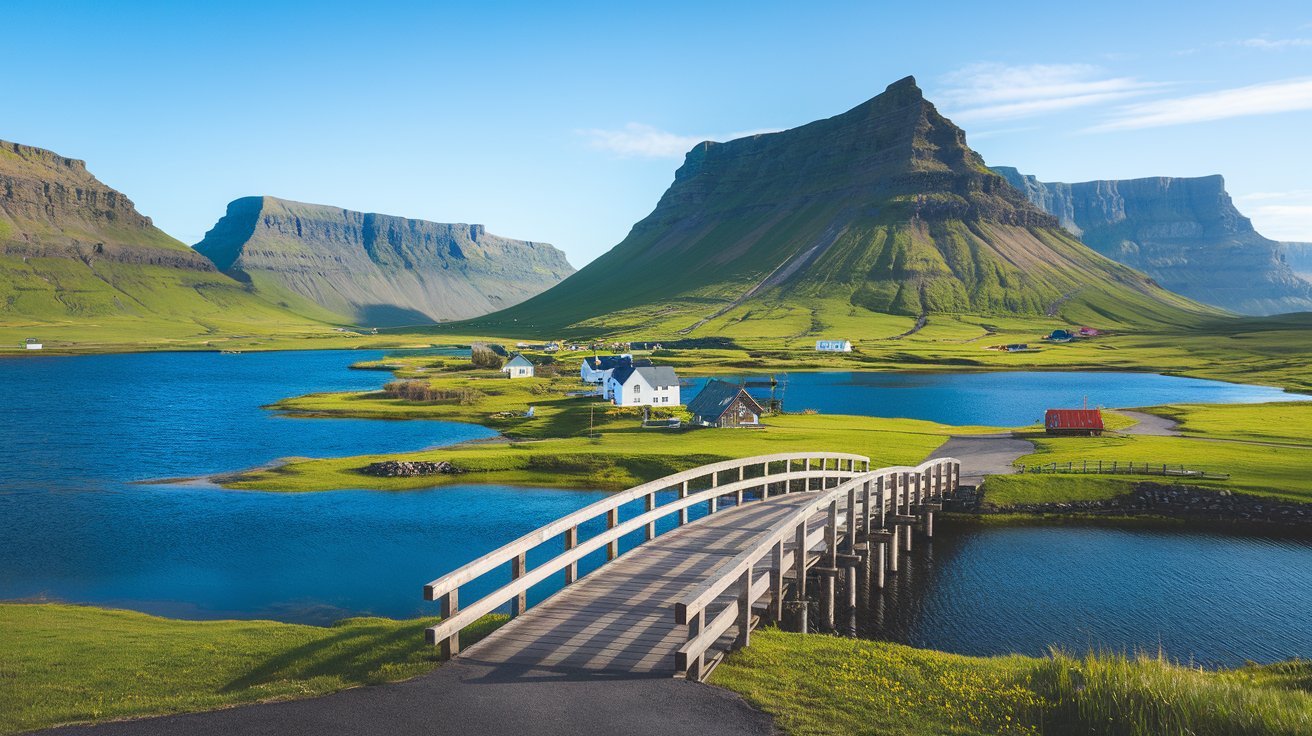
The Faroe Islands travel guide you need starts here. These 18 dramatic islands between Iceland and Norway offer pristine nature, unique Nordic culture, and unforgettable experiences. From cascading waterfalls to colorful villages, this comprehensive guide covers everything US travelers need to plan the perfect Faroe Islands adventure in 2025.
Essential Travel Information for US Citizens
US citizens planning a Faroe Islands trip need specific documentation and travel requirements. No visa is required for stays up to 90 days, but a valid passport is mandatory. The Faroe Islands maintain their own immigration policies despite being part of the Danish Kingdom, so travelers must present proper identification upon arrival at Vágar Airport.
Currency considerations are crucial for your Faroe Islands travel guide planning. The Danish Krone (DKK) is the official currency, and credit cards are widely accepted. However, carrying some cash is recommended for smaller establishments and remote areas. Most businesses accept major international cards including Visa and Mastercard.
Best Time to Visit the Faroe Islands
The optimal time for your Faroe Islands itinerary depends on your priorities and weather preferences. Summer months from June to August offer the warmest temperatures (10-15°C/50-59°F), longest daylight hours, and best hiking conditions. This peak season provides excellent visibility for sightseeing and outdoor activities, though accommodation prices are highest.
Spring and autumn present unique advantages for Faroe Islands travel enthusiasts. May and September offer mild weather, fewer crowds, and moderate prices. Winter visits from December to February provide opportunities to see the Northern Lights, though weather conditions can be challenging and many hiking trails become inaccessible.
Getting to the Faroe Islands from the United States
Reaching the Faroe Islands from the US requires connecting flights, as no direct routes exist. The most common route involves flying to Copenhagen, Denmark, then taking Atlantic Airways to Vágar Airport. Alternative connections include flights through Reykjavik, Iceland, or seasonal routes from other European cities.
Total travel time typically ranges from 12-18 hours including layovers. Faroe Islands tour package options often include flight coordination, but independent travelers should book connections carefully, allowing sufficient time between flights. Atlantic Airways operates year-round service with seasonal schedule variations affecting your travel planning.
Accommodation Options and Where to Stay
Accommodation choices significantly impact your Faroe Islands travel guide experience and budget. Tórshavn, the capital, offers the widest selection including luxury hotels, guesthouses, and apartments. Hotel Føroyar and Hotel Tórshavn provide premium amenities, while smaller guesthouses offer authentic local experiences at moderate prices.
Rural accommodation enhances your Faroe Islands itinerary with unique stays in traditional villages. Many farmers offer guestrooms or converted buildings, providing insights into local culture. Camping is permitted in designated areas, though weather conditions require proper equipment and planning.
Transportation and Getting Around
Efficient transportation transforms your Faroe Islands travel experience from challenging to seamless. Rental cars provide maximum flexibility for exploring remote locations and following your preferred itinerary. The road network connects all major islands through tunnels and bridges, with well-maintained routes suitable for standard vehicles.
Public bus services connect major villages and towns, though schedules may be limited in remote areas. The Faroe Islands bus system operates year-round with reduced weekend and holiday service. Taxis are available but expensive, making rental cars the preferred option for most visitors planning comprehensive exploration.
Must-Visit Destinations and Attractions
Your Faroe Islands travel guide must include these spectacular destinations that define the archipelago’s natural beauty and cultural significance. Each location offers unique experiences that justify their inclusion in any comprehensive itinerary, from dramatic landscapes to historical sites.
Múlafossur Waterfall in Gásadalur
Múlafossur Waterfall represents the most photographed attraction in your Faroe Islands adventure. This dramatic cascade plunges directly into the ocean, creating an iconic scene that epitomizes the islands’ raw beauty. The short hike from Gásadalur village (population 11) takes approximately 20 minutes through scenic grasslands.
Historic Saksun Village
Saksun offers quintessential Faroe Islands travel experiences with its preserved turf-roof houses and tidal lagoon. This picturesque village showcases traditional Faroese architecture and provides excellent hiking opportunities. The historic church and museum offer insights into centuries-old island life and customs.
Tórshavn Capital Exploration
Tórshavn anchors most Faroe Islands itinerary plans with its colorful Tinganes peninsula, Nordic House cultural center, and vibrant restaurant scene. The old town features preserved wooden buildings dating to the 17th century, while modern areas offer shopping, dining, and accommodation options for extended stays.
Outdoor Activities and Adventure Tourism
Adventure activities elevate your Faroe Islands travel guide experience beyond sightseeing to active exploration. Hiking opportunities range from gentle village walks to challenging multi-day treks across dramatic terrain. The islands offer over 20 marked hiking trails suitable for various fitness levels and time constraints.
Sea-based activities complement land exploration in your Faroe Islands adventure. Boat tours provide access to remote cliffs, bird colonies, and sea caves. Fishing excursions offer opportunities to catch Atlantic salmon, while helicopter tours provide aerial perspectives of the dramatic landscapes.
Food Culture and Dining Experiences
Faroese cuisine enhances your Faroe Islands travel experience with unique Nordic flavors and traditional preservation methods. Local specialties include fermented fish, lamb, and innovative interpretations of traditional dishes. Restaurant KOKS, a Michelin-starred establishment, represents the pinnacle of modern Faroese gastronomy.
Traditional food experiences complement fine dining in your Faroe Islands travel guide exploration. Home visits and cultural tours often include tastings of local delicacies. Seafood features prominently, with fresh catches prepared using centuries-old techniques adapted for contemporary palates.
Budget Planning and Expenses
Budget considerations significantly impact your Faroe Islands travel planning, as the islands rank among Europe’s more expensive destinations. Daily expenses typically range from $150-300 per person, depending on accommodation choices, dining preferences, and activity selections. Grocery shopping and self-catering can substantially reduce costs.
Accommodation represents the largest expense category in most Faroe Islands travel guide budgets. Hotels range from $200-500 per night, while guesthouses and apartments offer more economical alternatives. Transportation costs include rental cars ($60-80 daily), fuel, and potential helicopter or boat tour expenses.
Ideal Itinerary Durations and Planning
Determining optimal visit duration affects your entire Faroe Islands travel guide strategy and experience depth. Three days allows exploration of major highlights including Tórshavn, Gásadalur, and Saksun, though this timeframe requires efficient planning and favorable weather conditions.
Seven to ten-day itineraries provide comprehensive Faroe Islands exploration opportunities. This duration allows for hiking adventures, cultural immersion, weather contingency days, and visits to multiple islands. Extended stays enable deeper connections with local communities and seasonal activity participation.
Related video about faroe islands travel guide
This video complements the article information with a practical visual demonstration.
Questions & Answers
How many days should you spend in Faroe Islands?
The ideal duration is 7-10 days for comprehensive exploration. Three days covers major highlights like Múlafossur Waterfall and Tórshavn, while longer stays allow for hiking, cultural experiences, and weather contingency days. Extended visits provide opportunities to explore all 18 islands and engage in seasonal activities.
Do US citizens need a visa for Faroe Islands?
No, US citizens don’t need a visa for stays up to 90 days. However, a valid passport is required for entry. The Faroe Islands maintain separate immigration policies from Denmark, so travelers must present proper documentation upon arrival at Vágar Airport.
Is Faroe Island expensive for US travelers?
Yes, the Faroe Islands are expensive with daily costs ranging $150-300 per person. Accommodation, dining, and transportation constitute major expenses. Budget-conscious travelers can reduce costs through self-catering, guesthouse stays, and careful activity planning while still enjoying comprehensive island experiences.
What is the best time to go to the Faroe Islands?
June to August offers optimal weather conditions with temperatures of 10-15°C (50-59°F) and longest daylight hours. May and September provide fewer crowds with mild weather, while winter months offer Northern Lights opportunities but challenging conditions. Summer remains ideal for hiking and outdoor activities.
What should I pack for a Faroe Islands trip?
Pack waterproof layers, warm clothing, and sturdy hiking boots regardless of season. Weather changes rapidly, requiring adaptable clothing systems. Essential items include rain gear, wind-resistant jackets, thermal layers, and comfortable walking shoes. Camera equipment should include weather protection for capturing dramatic landscapes.
How do you get to the Faroe Islands from the US?
Fly to Copenhagen or Reykjavik, then connect to Vágar Airport via Atlantic Airways. Total travel time ranges 12-18 hours including layovers. No direct flights exist from the US, making European connections necessary. Allow sufficient layover time and consider seasonal schedule variations when booking flights.
| Travel Aspect | Key Information | Traveler Benefit |
|---|---|---|
| Visa Requirements | No visa needed for 90 days | Simple entry process |
| Best Season | June-August for weather | Optimal outdoor conditions |
| Ideal Duration | 7-10 days recommended | Comprehensive exploration |
| Transportation | Rental car provides flexibility | Access to remote locations |
| Budget Range | $150-300 per day per person | Realistic expense planning |