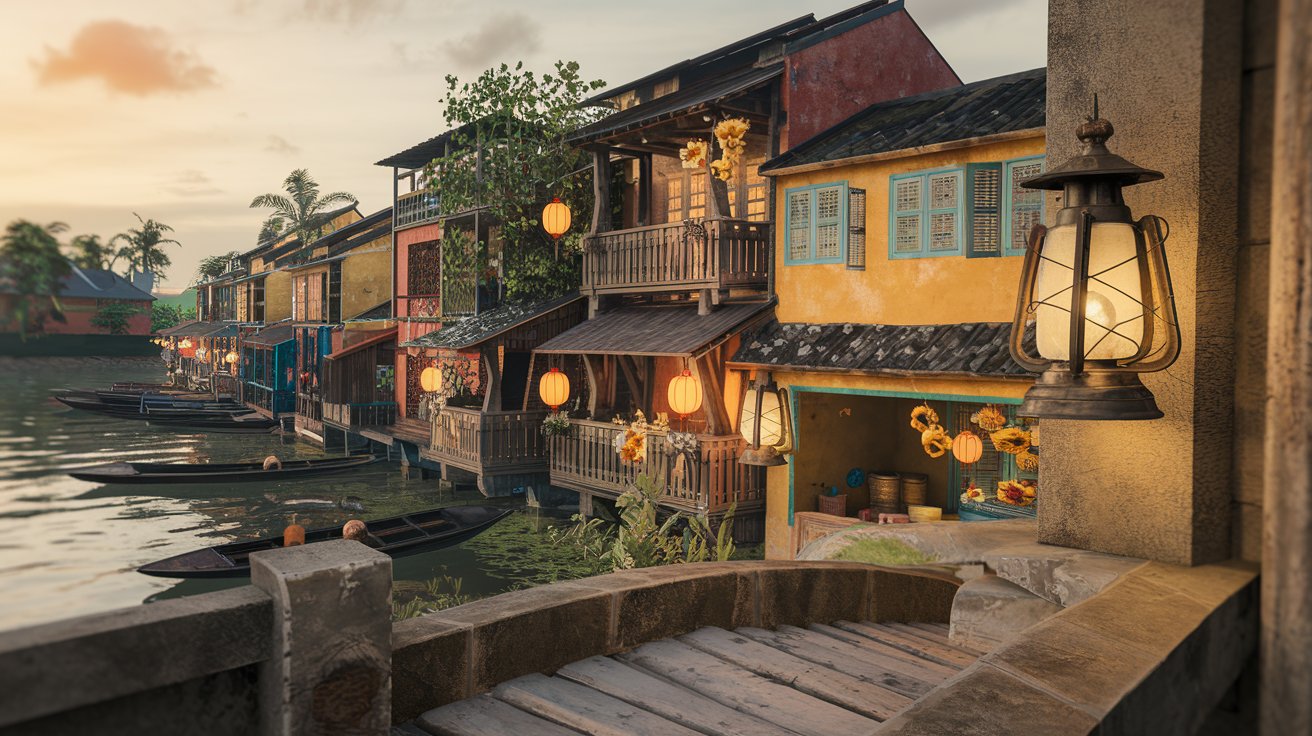
Planning a trip to Hoi An requires understanding this UNESCO World Heritage Site’s unique charm and seasonal patterns. This comprehensive travel guide provides everything you need to know about visiting Hoi An in 2024-2025, from optimal timing and must-see attractions to local customs and practical tips for American travelers.
Best Time to Visit Hoi An in 2024-2025
The best months to visit Hoi An are February through April and August through October, when temperatures range between 70-85°F and rainfall is minimal. American travelers should avoid the rainy season from November through January, when typhoons can disrupt travel plans and flooding affects the Ancient Town. During peak season (December-March), hotel rates increase by 40-60% compared to shoulder months.
Shoulder season visits in May through July offer the best value for budget-conscious travelers, with hotel rates averaging $45-80 per night for mid-range accommodations. The summer months bring higher humidity but fewer crowds, making it ideal for photography and exploring attractions without the typical tourist masses.
How Many Days You Need in Hoi An
Most travelers find 3-4 days in Hoi An sufficient to explore the main attractions, enjoy the culinary scene, and take day trips to nearby destinations. A 3-day itinerary allows time for the Ancient Town, Japanese Covered Bridge, local markets, and one beach day at An Bang. Extended stays of 5-7 days accommodate visits to My Son Sanctuary, Tra Que Vegetable Village, and multiple cooking classes.
Budget-conscious American travelers can comfortably experience Hoi An’s highlights in 2-3 days by focusing on walking tours, street food experiences, and free cultural sites. Luxury travelers often spend 4-6 days to fully appreciate high-end resorts, private tours, and exclusive dining experiences along the Thu Bon River.
Must-Visit Attractions in Hoi An
The Ancient Town of Hoi An serves as the primary attraction, featuring 800 historically significant structures dating from the 15th-19th centuries. The UNESCO site requires a 120,000 VND (approximately $5) entrance ticket valid for multiple attractions including the Japanese Covered Bridge, Chinese Assembly Halls, and traditional merchant houses. American visitors should allocate 4-6 hours for comprehensive exploration of the historic quarter.
Japanese Covered Bridge and Historic Sites
The iconic Japanese Covered Bridge (Chua Cau) stands as Hoi An’s most photographed landmark, connecting Tran Phu and Nguyen Thi Minh Khai streets since 1593. Built by Japanese merchants, this 60-foot bridge features intricate carvings and houses a small temple dedicated to the Taoist deity Tran Vo Bac De. Visiting early morning (6-8 AM) provides optimal lighting for photography and fewer crowds.
Chinese Assembly Halls and Cultural Heritage
Five historic Chinese Assembly Halls showcase the influence of Chinese traders on Hoi An’s development, with Fujian Assembly Hall being the most ornate and significant. These structures feature elaborate architecture, ancestral worship areas, and detailed carvings representing different Chinese provinces. The Cantonese Assembly Hall, built in 1885, displays exceptional woodwork and serves as an active place of worship for the local Chinese community.
An Bang Beach and Coastal Activities
An Bang Beach ranks among Vietnam’s top coastal destinations, located just 3 miles from Hoi An’s Ancient Town and accessible by bicycle or motorbike in 15 minutes. This pristine stretch of white sand offers calm waters ideal for swimming, beachfront restaurants serving fresh seafood, and beach chair rentals for $2-3 per day. American travelers appreciate the laid-back atmosphere and absence of aggressive vendors common at other Vietnamese beaches.
Beach activities include surfing lessons ($25-35), sunset basket boat tours ($15-20), and beach volleyball courts available for free use. The best beach clubs like Soul Kitchen and Thuan Tinh Island Tours provide day beds, cocktails, and organized activities for those seeking a more refined coastal experience during their visit to Hoi An.
Exploring Hoi An’s Rice Fields and Countryside
The emerald rice fields surrounding Hoi An offer authentic rural experiences just 20 minutes from the Ancient Town center. Bicycle tours through Tra Que Vegetable Village and Cam Thanh Coconut Forest provide insights into traditional farming methods and local agriculture. These guided experiences typically cost $20-30 per person and include interactions with local farmers, organic vegetable tastings, and traditional farming demonstrations.
Motorbike tours through the countryside allow independent exploration of rice paddies, water buffalo sightings, and visits to traditional villages where time seems frozen. The best routes include stops at local markets, craft villages, and family-run restaurants serving authentic Vietnamese cuisine away from tourist areas.
Touring Hoi An by Motorbike: Safety and Routes
Motorbike tours provide the ultimate freedom to explore Hoi An and surrounding areas, with rental costs ranging from $6-12 per day for automatic scooters. American travelers must obtain an International Driving Permit before departure, as Vietnamese authorities increasingly enforce licensing requirements for foreign drivers. Helmet use is mandatory, and reputable rental companies like Ola and Saigon Motorbike Tours provide safety briefings and insurance coverage.
Popular motorbike routes include the coastal road to Da Nang (45 minutes), the mountain pass to Ba Na Hills (2 hours), and rural village circuits through Duy Vinh and Duy Hai communes. Traffic in Hoi An remains manageable compared to major Vietnamese cities, making it ideal for first-time motorbike riders to gain confidence before tackling more challenging routes.
My Son Sanctuary Day Trip
My Son Holy Land represents Vietnam’s most significant Cham archaeological site, located 90 minutes from Hoi An and dating from the 4th to 14th centuries. This UNESCO World Heritage Site features temple ruins dedicated to Hindu gods, with the best-preserved structures showcasing intricate Cham architecture and religious symbolism. Day tours from Hoi An cost $25-40 and include transportation, entrance fees, and English-speaking guides.
The site requires 3-4 hours for thorough exploration, with early morning visits (7-9 AM) recommended to avoid heat and crowds. American visitors should bring sun protection, comfortable walking shoes, and water, as facilities are limited within the archaeological complex. Combined tours often include stops at local handicraft villages and traditional Cham cultural performances.
Hoi An Culinary Scene and Food Tours
Hoi An’s culinary reputation centers around three signature dishes: Cao Lau (pork and noodle soup), White Rose dumplings, and Banh Mi sandwiches. Food tours ranging from $25-50 per person provide guided tastings at authentic local restaurants, street food stalls, and family-run establishments. The best tours include cooking classes, market visits, and cultural context about ingredients and preparation methods unique to the region.
Street Food and Local Markets
Hoi An’s Central Market opens at 5 AM and offers the freshest ingredients, street food breakfast options, and cultural immersion experiences for adventurous American travelers. Popular street food includes Banh Bao (steamed pork buns) for $0.50, fresh spring rolls for $1-2, and Vietnamese coffee prepared with traditional phin filters. Night markets along Nguyen Hoang Street feature food stalls, local crafts, and live music performances.
Cooking Classes and Culinary Experiences
Professional cooking classes range from $30-60 and include market tours, hands-on preparation of 4-6 traditional dishes, and recipe cards for recreating meals at home. Thuan Tinh Island and Eva Cooking Tour rank among the highest-rated experiences, offering organic ingredients, traditional techniques, and small group sizes for personalized attention. Classes typically run 4-5 hours and include transportation from central Hoi An hotels.
Budget Planning for Hoi An
Budget travelers can experience Hoi An comfortably on $30-50 per day, including accommodation in hostels or guesthouses ($10-20), street food meals ($5-10), and public transportation or bicycle rentals ($3-5). Mid-range budgets of $60-100 daily allow for boutique hotels, restaurant dining, guided tours, and occasional spa treatments popular among American visitors seeking comfort and convenience.
Luxury experiences in Hoi An require $150-300 per day for resort accommodations, fine dining, private tours, and premium activities like hot air ballooning or private yacht charters. The city’s favorable exchange rate means American dollars stretch significantly further than in most Southeast Asian destinations, with $1000 sufficient for 10-14 days of comfortable travel including flights within Vietnam.
Common Mistakes to Avoid in Hoi An
The biggest mistake American travelers make in Hoi An is limiting their stay to just 1-2 days, insufficient time to appreciate the city’s cultural depth and surrounding attractions. Rushing through the Ancient Town without purchasing the official ticket ($5) results in missing key historical sites and cultural context that makes Hoi An special. Many visitors also overlook the need for appropriate attire when visiting temples and religious sites.
Another significant error involves booking accommodations during peak season (December-February) without advance reservations, resulting in inflated prices and limited availability. Smart travelers book 2-3 months ahead during high season or visit during shoulder months for better rates and fewer crowds while still enjoying pleasant weather conditions.
Related video about hoi an travel guide
This video complements the article information with a practical visual demonstration.
Your questions answered
How many days in Hoi An is enough?
Most travelers find 3-4 days sufficient to explore Hoi An’s main attractions, including the Ancient Town, beaches, and day trips to My Son Sanctuary. This timeframe allows for cultural immersion, culinary experiences, and relaxation without feeling rushed. Budget-conscious visitors can see highlights in 2-3 days, while those seeking deeper cultural experiences may prefer 5-7 days to include extended countryside exploration and multiple cooking classes.
Is $1000 enough for 2 weeks in Vietnam?
Yes, $1000 can cover 10-14 days in Vietnam for budget-conscious travelers, including Hoi An. This budget allows for hostel accommodations ($10-20 nightly), street food meals ($5-10 daily), public transportation, and basic activities. However, this excludes international flights and requires careful spending on activities and dining. Mid-range comfort typically requires $1500-2000 for two weeks, including better accommodations and guided tours.
What is the best month to visit Hoi An?
February through April offers ideal weather conditions with temperatures 70-85°F and minimal rainfall. March is particularly excellent with perfect weather and manageable tourist crowds. August through October also provides good conditions with less rainfall than summer months. Avoid November through January due to heavy rains, potential typhoons, and flooding that can disrupt travel plans and limit outdoor activities.
What is one of the biggest mistakes you can make in Vietnam?
The biggest mistake is not obtaining proper travel insurance and required documentation before arrival. Many Americans underestimate visa requirements, international driving permit needs, and health precautions. Additionally, disrespecting local customs at temples, bargaining inappropriately at markets, and not learning basic Vietnamese phrases can negatively impact your experience and relationships with locals throughout your journey.
Do I need a visa to visit Hoi An from the United States?
US citizens need a valid passport and tourist visa for Vietnam visits exceeding 45 days. For stays under 45 days, Americans can enter visa-free for tourism purposes as of 2024. However, this policy can change, so verify current requirements with the Vietnamese embassy before departure. E-visas are available for longer stays and cost approximately $25 with 3-5 day processing times.
Is Hoi An safe for American tourists?
Hoi An is considered very safe for American tourists, with low crime rates and tourist-friendly infrastructure. Common concerns include petty theft of unattended belongings and motorbike accidents due to unfamiliar traffic patterns. Exercise normal precautions like securing valuables, wearing helmets when riding motorbikes, and staying aware of surroundings. The local police and tourism authorities actively support visitor safety and security throughout the region.
| Travel Aspect | Recommended Details | Key Benefit |
|---|---|---|
| Best Visit Duration | 3-4 days minimum | Complete cultural immersion |
| Optimal Season | February-April, August-October | Perfect weather conditions |
| Daily Budget | $30-50 budget, $60-100 mid-range | Excellent value for money |
| Transportation | Bicycle and motorbike rental | Freedom and authentic experience |
| Must-Do Activity | Cooking class and food tour | Cultural understanding through cuisine |