San Sebastian, located in Spain’s Basque Country, stands as one of Europe’s most captivating coastal destinations, offering world-class beaches, exceptional gastronomy, and rich cultural heritage. This comprehensive San Sebastian travel guide provides essential information for American travelers planning their 2025 visit to this stunning Basque city, from must-visit attractions to authentic local experiences.
Essential San Sebastian Overview for American Travelers
San Sebastian, known locally as Donostia, serves as the capital of Gipuzkoa province in the Basque Country. With a population of 187,000 residents, this coastal gem attracts over 2.5 million visitors annually, making it one of Spain’s premier tourist destinations. The city’s unique blend of Spanish and Basque cultures creates an extraordinary experience that differs significantly from typical Spanish destinations.
American travelers will find San Sebastian particularly appealing due to its compact size, excellent public transportation, and English-speaking tourism infrastructure. The city’s three main beaches, world-renowned culinary scene, and walkable historic center make it an ideal destination for both short visits and extended stays. The optimal visiting season runs from May through October, with July and August being peak tourist months.
Getting to San Sebastian from the United States
Reaching San Sebastian from the United States requires strategic planning, as the city doesn’t have a major international airport. Most American travelers fly into Madrid-Barajas Airport or Barcelona-El Prat Airport, then take connecting flights or ground transportation. The nearest airport is San Sebastian Airport, which primarily serves domestic flights and limited European connections.
The most convenient route involves flying to Bilbao Airport (100 kilometers away), which offers better international connections. From Bilbao, the Pesa bus company provides direct service to San Sebastian in approximately 75 minutes for €8.35. Alternatively, high-speed trains from Madrid to San Sebastian take 5.5 hours and cost between €35-65, offering scenic views of northern Spain’s countryside.
San Sebastian’s Magnificent Beaches
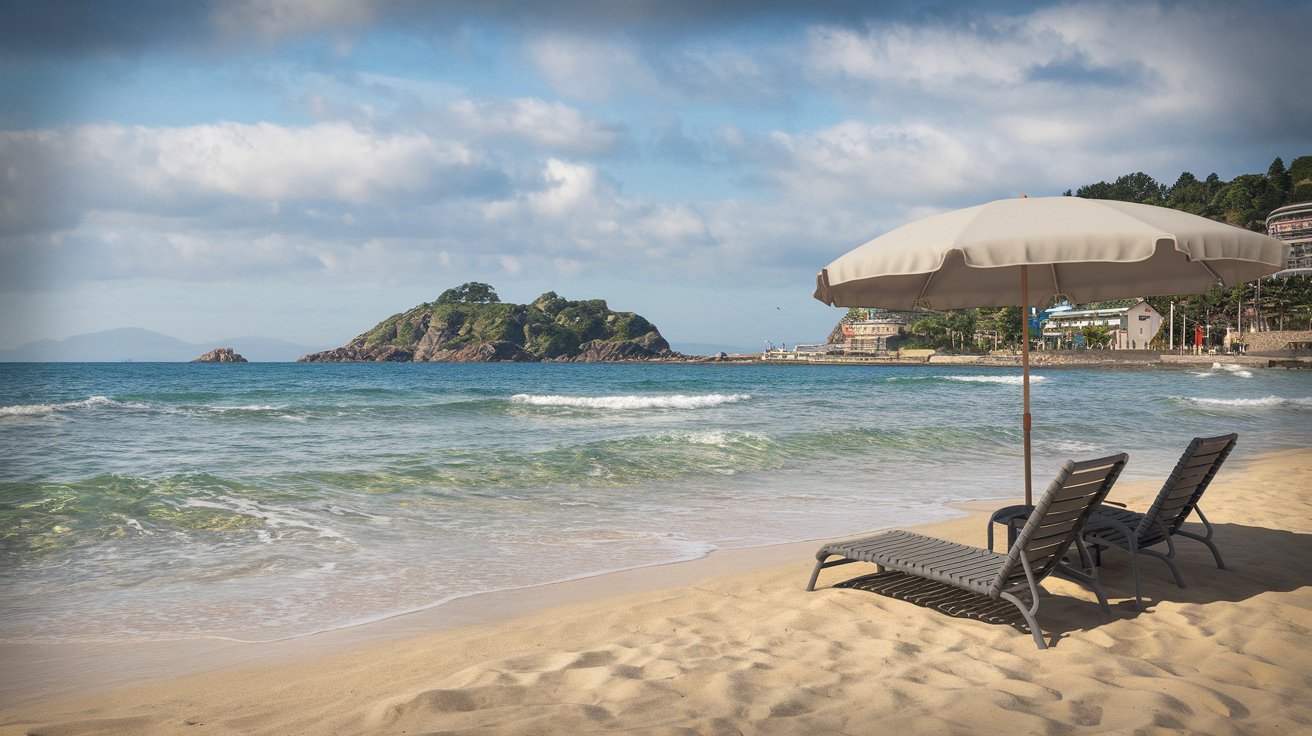
Playa de la Concha ranks among Europe’s most beautiful urban beaches, stretching 1.4 kilometers along San Sebastian’s bay. This crescent-shaped beach offers calm waters protected by Santa Clara Island, making it ideal for swimming and family activities. The beach features excellent facilities including changing rooms, showers, and nearby restaurants, with lifeguards on duty from June through September.
Playa de Zurriola attracts surfers and younger crowds with its Atlantic waves and vibrant atmosphere. Located in the trendy Gros neighborhood, this beach hosts international surfing competitions and offers surf schools for beginners. The nearby Kursaal Conference Centre provides a striking modern backdrop, while beachfront bars serve refreshments and pintxos throughout the day.
Playa de Ondarreta: The Local’s Choice
Playa de Ondarreta offers a more tranquil beach experience, popular among local families and discerning travelers. This western beach provides excellent sunset views and connects to beautiful coastal walking paths. The beach features fine sand, gentle waves, and proximity to Miramar Palace gardens, creating a perfect combination of relaxation and cultural exploration.
Beach Activities and Water Sports
San Sebastian’s beaches offer diverse water sports opportunities including surfing lessons, kayak rentals, and paddleboarding. Several local companies provide equipment rentals and instruction, with prices ranging from €25-45 for beginner surf lessons. The calm waters of La Concha make it perfect for swimming, while Zurriola’s waves attract experienced surfers from around the world.
Understanding Pintxos Culture
Pintxos represent the heart of Basque culinary culture, distinguishing themselves from Spanish tapas through their elaborate presentation and sophisticated flavors. These small plates typically cost €2-4 each and showcase the region’s exceptional ingredients including fresh seafood, Idiazábal cheese, and Txakoli wine. The pintxos tradition involves bar-hopping through the Parte Vieja, sampling different specialties at each establishment.
The optimal time for pintxos exploration occurs between 12:30-14:30 for lunch and 19:30-22:00 for dinner. Most bars display their pintxos selection on countertops, allowing visitors to choose visually appealing options. Proper etiquette includes keeping toothpicks as servers use them to calculate your bill, and standing at the bar rather than occupying tables for extended periods.
Top Pintxos Bars in Parte Vieja (Old Town)
The historic Parte Vieja district contains San Sebastian’s highest concentration of exceptional pintxos bars, each offering unique specialties and atmospheres. These establishments maintain centuries-old traditions while incorporating modern culinary innovations, creating an unparalleled gastronomic experience for visitors.
Bar Néstor: The Tomato Legend
Bar Néstor has achieved legendary status for serving the world’s best tomato pintxo, available only during tomato season from late spring through early fall. This iconic establishment also serves exceptional tortilla española on Tuesdays and Fridays at 13:00 and 20:00 sharp. Located at Calle de la Pescadería 11, the bar maintains traditional decor and authentic Basque atmosphere.
Gandarias: Traditional Basque Flavors
Gandarias excels in traditional Basque pintxos preparation, featuring specialties like bacalao al pil pil and grilled seafood. This family-owned establishment at Calle 31 de Agosto 23 maintains authentic recipes passed down through generations. The bar’s warm atmosphere and friendly service make it perfect for first-time visitors seeking genuine local experiences.
La Cuchara de San Telmo: Creative Innovation
La Cuchara de San Telmo revolutionizes traditional pintxos through creative presentations and fusion flavors. Their famous foie gras pintxo and innovative vegetarian options attract food enthusiasts from around the world. Located at Calle 31 de Agosto 28, this establishment requires early arrival as their most popular creations sell out quickly.
Gros Neighborhood: Modern Basque Cuisine
The Gros neighborhood represents San Sebastian’s contemporary culinary scene, featuring innovative pintxos bars and modern Basque restaurants. This area attracts younger crowds and offers a different atmosphere from the traditional Parte Vieja, with establishments staying open later and incorporating international influences into traditional recipes.
Bar Bergara: Award-Winning Excellence
Bar Bergara has earned multiple awards for its exceptional pintxos, including recognition from international culinary organizations. Their signature dishes include innovative seafood preparations and creative vegetable combinations. Located in the heart of Gros, this establishment offers both traditional counter service and comfortable seating areas.
Bodega Donostiarra: Wine and Tradition
Bodega Donostiarra combines excellent Basque wines with traditional pintxos in a cozy, authentic atmosphere. Their extensive wine selection includes local Txakoli and Rioja varieties, paired perfectly with aged cheeses and cured meats. The establishment’s knowledgeable staff provides excellent recommendations for wine and food pairings.
Essential Attractions Beyond Food
San Sebastian offers numerous attractions beyond its renowned culinary scene, including historic landmarks, museums, and scenic viewpoints. The city’s compact layout allows visitors to explore multiple attractions within walking distance, making it ideal for comprehensive sightseeing experiences.
Mount Urgull provides panoramic city views and houses the historic Castillo de la Mota fortress, offering insights into San Sebastian’s military history. The climb takes approximately 30 minutes and rewards visitors with spectacular photography opportunities. The San Telmo Museum showcases Basque culture and history through interactive exhibits and artifact displays.
Accommodation Options for American Travelers
San Sebastian offers diverse accommodation options ranging from luxury hotels to budget-friendly hostels, with most properties concentrated in the city center and beachfront areas. Peak season rates (July-August) can reach €200-400 per night for premium locations, while shoulder season offers better value with rates dropping 30-50%.
The Parte Vieja area provides authentic experiences with boutique hotels and traditional guesthouses, though noise levels can be higher due to nightlife activities. Beachfront properties along La Concha offer stunning views but command premium prices. The Gros neighborhood provides modern amenities and easy beach access at more moderate rates.
Transportation Within San Sebastian
San Sebastian’s compact size makes walking the primary transportation method for most attractions and restaurants. The city center spans approximately 2 kilometers, allowing visitors to reach major destinations within 15-20 minutes on foot. This pedestrian-friendly layout eliminates the need for extensive public transportation use.
The local bus system operates efficiently for reaching outlying attractions and beaches, with single tickets costing €1.70 and day passes available for €4.20. Taxis provide convenient transportation for airport transfers and longer distances, with typical rides within the city costing €8-15. Bike rentals offer an eco-friendly alternative, with numerous rental shops providing hourly and daily options.
Budget Planning for San Sebastian Travel
American travelers should budget approximately €80-120 per day for mid-range San Sebastian experiences, including accommodation, meals, and activities. This budget allows for comfortable hotel stays, pintxos bar exploration, and major attraction visits. Luxury travelers should expect daily costs of €200-300, while budget-conscious visitors can manage on €50-70 per day.
Dining expenses vary significantly based on choices, with pintxos meals costing €15-25 per person and fine dining restaurants charging €80-150 per person. Accommodation represents the largest expense, particularly during peak season. Many attractions offer free admission, including beaches and hiking trails, helping balance overall costs.
Related video about san sebastian travel guide
This video complements the article information with a practical visual demonstration.
Questions & Answers
What is the best time to visit San Sebastian for American travelers?
The optimal time to visit San Sebastian is from May through October, with September and October offering the best balance of pleasant weather, fewer crowds, and lower prices. July and August are peak season with warmest weather but highest prices and largest crowds. Spring months provide mild temperatures and blooming landscapes, while winter offers authentic local experiences with significantly reduced tourist numbers.
How many days should I spend in San Sebastian?
A minimum of 3-4 days allows proper exploration of San Sebastian’s main attractions, beaches, and culinary scene. This timeframe enables visitors to experience multiple pintxos bars, visit all three beaches, explore the old town, and take day trips to nearby attractions. Extended stays of 5-7 days allow for deeper cultural immersion and visits to surrounding Basque countryside destinations.
Is English widely spoken in San Sebastian?
English is moderately spoken in San Sebastian, particularly in tourist areas, hotels, and restaurants catering to international visitors. Younger generations and hospitality workers generally have basic English skills. However, learning basic Spanish or Basque phrases enhances the experience, as locals appreciate visitors’ efforts to communicate in their languages. Translation apps prove helpful for menu reading and detailed conversations.
What should I know about pintxos bar etiquette?
Proper pintxos etiquette includes keeping toothpicks for bill calculation, standing at the bar rather than occupying tables, and moving between establishments rather than staying at one location. Order drinks with pintxos, tip modestly (rounding up bills), and avoid photographing food excessively. Peak hours are 12:30-14:30 and 19:30-22:00, with earlier or later visits offering more relaxed experiences.
Are San Sebastian beaches suitable for families with children?
San Sebastian’s beaches are extremely family-friendly, particularly Playa de la Concha with its calm, protected waters and excellent facilities. All beaches offer lifeguard services during summer months, clean restrooms, and nearby restaurants. Playa de Ondarreta provides the most tranquil family environment, while Zurriola offers excitement for older children interested in surfing lessons and water sports activities.
What currency and payment methods are accepted in San Sebastian?
San Sebastian uses the Euro (EUR) as its official currency. Credit cards are widely accepted in restaurants, hotels, and shops, though some traditional pintxos bars prefer cash payments. ATMs are readily available throughout the city center. American travelers should notify their banks of international travel plans and consider cards with no foreign transaction fees to minimize costs during their visit.
| Travel Aspect | Key Information | Traveler Benefit |
|---|---|---|
| Best Visit Time | May-October, ideal September-October | Perfect weather with fewer crowds |
| Daily Budget | €80-120 mid-range, €50-70 budget | Predictable costs for planning |
| Main Beaches | La Concha, Zurriola, Ondarreta | Diverse experiences for all preferences |
| Pintxos Areas | Parte Vieja traditional, Gros modern | Authentic culinary exploration |
| Transportation | Walking primary, buses €1.70 | Easy navigation without car rental |