This comprehensive Antigua Guatemala travel guide provides everything US travelers need for an unforgettable journey to Guatemala’s colonial gem. Nestled between three imposing volcanoes, Antigua offers cobblestone streets, baroque architecture, vibrant markets, and world-class coffee culture. Whether you’re planning a weekend getaway or extended cultural immersion, this guide covers transportation, accommodations, attractions, dining, and practical travel tips for 2025.
About Antigua Guatemala
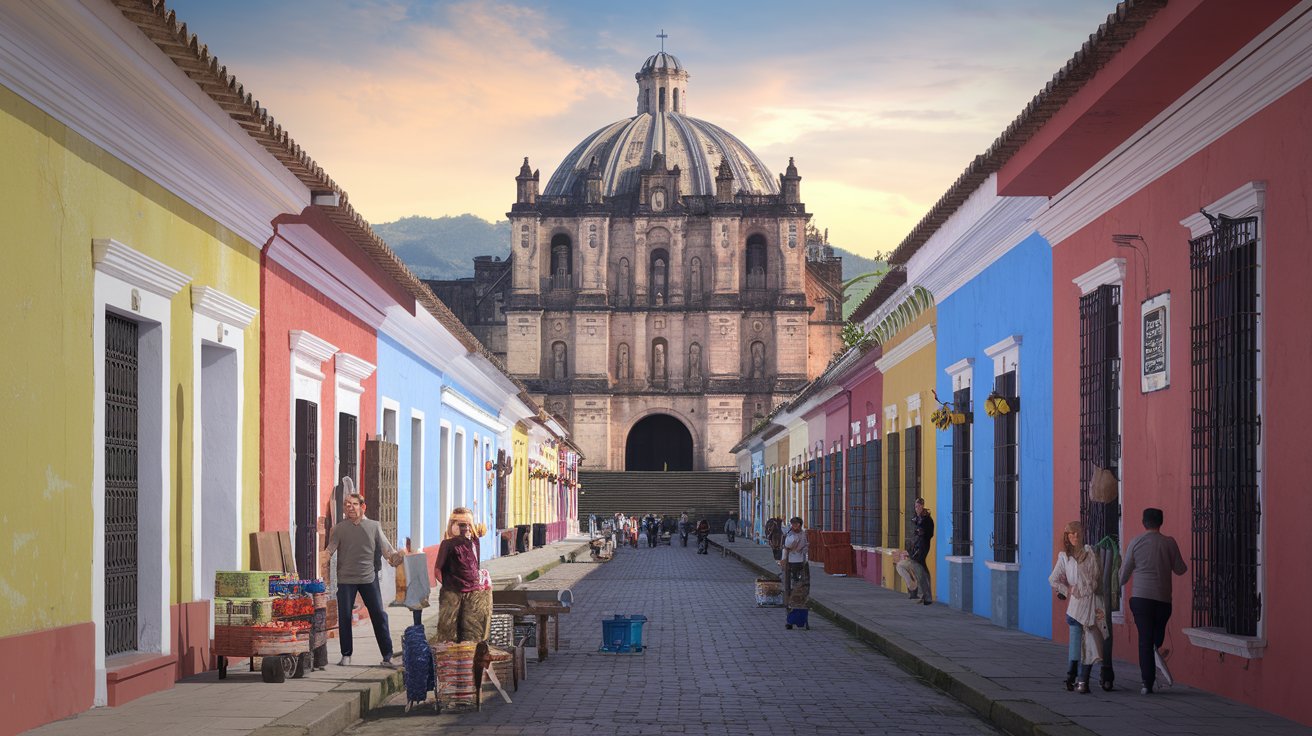
Antigua Guatemala, often simply called Antigua, is a UNESCO World Heritage Site located in Guatemala’s central highlands at 5,000 feet elevation. This former colonial capital served as Guatemala’s seat of power from 1543 to 1773, when devastating earthquakes forced the capital’s relocation to present-day Guatemala City. Today, Antigua preserves some of Central America’s finest Spanish colonial architecture, with over 30 churches and numerous convents creating a living museum of baroque and neoclassical design.
The city’s dramatic setting between Volcán de Agua, Volcán de Fuego, and Volcán Acatenango creates stunning backdrops for photography and adventure activities. With a population of approximately 45,000 residents, Antigua maintains its small-town charm while offering sophisticated amenities including luxury hotels, international restaurants, and cultural attractions that appeal to discerning US travelers seeking authentic Central American experiences.
How to Get to Antigua Guatemala
Reaching Antigua Guatemala from the United States requires flying into Guatemala City’s La Aurora International Airport (GUA), the country’s primary international gateway. Major US airlines including American, United, and Delta offer direct flights from hub cities like Miami, Los Angeles, Houston, and Atlanta, with flight times ranging from 4-6 hours depending on departure city.
From La Aurora International Airport
The most convenient option for US travelers is booking a private shuttle transfer from Guatemala City airport to Antigua, covering the 25-mile journey in approximately 45-60 minutes depending on traffic. Reputable companies like Antigua Tours and Gray Line Guatemala charge $35-50 per person for shared shuttles, while private transfers cost $80-120 for up to 4 passengers. Many hotels arrange airport pickups, and ride-sharing services like Uber operate between the airport and Antigua with fares averaging $25-35.
Alternative Transportation Options
Budget-conscious travelers can utilize chicken buses (repurposed US school buses) from Guatemala City’s central bus terminal to Antigua for approximately $2, though this option involves multiple transfers and takes 2-3 hours. Rental cars from international agencies like Hertz, Avis, and Budget are available at the airport, with daily rates starting around $35, but driving in Guatemala City can be challenging for first-time visitors due to heavy traffic and unfamiliar road conditions.
Getting Around Antigua Guatemala
Walking remains the best way to explore Antigua due to its compact 5×9 block colonial core where most attractions, restaurants, and hotels are concentrated. The city’s grid layout with numbered streets (calles) running east-west and avenues (avenidas) running north-south makes navigation straightforward for US visitors accustomed to organized city planning.
For longer distances or volcano excursions, tuk-tuks (three-wheeled motorized taxis) charge $3-5 for rides within the city center, while traditional taxis cost $5-10 for similar journeys. Many hotels provide complimentary bicycle loans, and several rental shops near Parque Central offer mountain bikes for $15-20 daily, perfect for exploring surrounding coffee plantations and villages.
Best Areas to Stay in Antigua
Choosing the right neighborhood significantly impacts your Antigua Guatemala travel experience. The city’s accommodation options range from boutique colonial hotels to budget hostels, with most properties clustered around the historic center for easy walking access to major attractions.
Historic Center Hotels
The historic center offers Antigua’s most luxurious accommodations within converted colonial mansions and convents. Hotel Casa Santo Domingo, built within a 16th-century monastery, provides 5-star amenities including spa services, multiple restaurants, and private courtyards starting around $250 nightly. Boutique properties like Hotel Mesón Panza Verde and La Merced Hotel combine historic architecture with modern comfort, featuring rooftop terraces with volcano views and rates averaging $150-200 per night during peak season (December-April).
Mid-Range and Budget Options
Mid-range travelers find excellent value at colonial-style hotels like Hotel Cirilo and Posada de Don Rodrigo, offering comfortable rooms with traditional décor, central courtyards, and rates between $60-120 nightly. Budget-conscious visitors can choose from numerous hostels and guesthouses charging $15-30 per night, with popular options including Hostel Tropicana and Yellow House Antigua providing dormitory and private room accommodations plus social common areas for meeting fellow travelers.
Top Things to Do in Antigua Guatemala
Antigua’s attractions blend colonial history, cultural experiences, and natural adventures appealing to diverse traveler interests. The city serves as both a destination unto itself and launching point for exploring Guatemala’s highlands, volcanoes, and indigenous communities.
Historic Sites and Architecture
Begin exploring with Parque Central, Antigua’s main square surrounded by the Cathedral of Santiago, Palace of the Captains General, and numerous colonial buildings housing cafes, shops, and galleries. The Santa Catalina Arch, built in 1694 to connect the Santa Catalina convent with its school, creates one of Guatemala’s most photographed landmarks framing Volcán de Agua. Church and convent ruins including La Merced, San Francisco, and Las Capuchinas showcase baroque architecture while telling stories of Spanish colonial religious influence spanning three centuries.
Markets and Shopping
The Mercado de Artesanías (handicrafts market) offers authentic Guatemalan textiles, pottery, jewelry, and wood carvings created by indigenous artisans from highland villages. US visitors particularly appreciate high-quality jade jewelry, hand-woven huipiles (traditional blouses), and coffee directly from local plantations. The daily produce market provides colorful displays of tropical fruits, vegetables, and spices while offering opportunities to practice Spanish and observe local daily life.
Volcano Adventures and Day Trips
Volcano hiking represents Antigua’s most popular adventure activity for physically active US travelers. Acatenango volcano, standing 13,045 feet tall, offers challenging overnight treks rewarding hikers with sunrise views over active Volcán de Fuego’s eruptions. Tour companies like OX Expeditions and Quetzal Trekkers provide guided ascents including camping equipment, meals, and transportation for $65-85 per person.
Less strenuous options include Pacaya volcano day trips featuring easier 2-hour hikes to active lava flows where visitors can roast marshmallows over volcanic heat. These excursions cost $25-35 including transportation and guide services. Coffee plantation tours to nearby fincas like Filadelfia Coffee Resort combine cultural education about Guatemala’s coffee industry with tastings of world-renowned Antigua coffee varieties grown in volcanic soil.
Where to Eat in Antigua Guatemala
Antigua’s dining scene combines traditional Guatemalan cuisine with international flavors catering to sophisticated palates while maintaining affordable prices compared to US dining costs. The city’s restaurant concentration around Parque Central and along 5a Avenida Norte provides convenient options within walking distance of most hotels.
Fine Dining and International Cuisine
Upscale establishments like Hector’s Bistro and Café Sky offer innovative takes on Guatemalan ingredients with international cooking techniques, featuring dishes like pepián (traditional stew) reimagined with modern presentation. Rooftop restaurants including Restaurant Panza Verde provide romantic volcano-view dining with wine lists featuring California selections alongside South American vintages. Expect dinner costs ranging $25-45 per person at fine dining establishments, significantly less than comparable US restaurants.
Traditional Guatemalan Food
Local favorites include comedores (family-run restaurants) serving authentic dishes like kak’ik (turkey soup), tamales, and grilled meats with handmade tortillas for $5-12 per meal. Doña Luisa Xicotencatl, a beloved local institution since 1976, offers traditional breakfast combinations, fresh-baked bread, and strong Guatemalan coffee in a garden courtyard setting. Street food vendors around Parque Central sell elotes (grilled corn), tostadas, and fresh fruit with lime and chili for $1-3 per serving.
Sample 3-Day Antigua Guatemala Itinerary
This optimized 3-day Antigua itinerary balances cultural exploration, adventure activities, and relaxation while maximizing your time in Guatemala’s colonial capital. Each day focuses on different aspects of Antigua’s attractions while allowing flexibility for personal interests and energy levels.
Day 1: Historic Center Exploration
Begin your first day exploring Antigua’s colonial architecture starting with sunrise photography at Santa Catalina Arch before tourist crowds arrive. Visit Parque Central for breakfast at Café Condesa, then explore the Cathedral of Santiago and climb La Merced church tower for panoramic city views. Afternoon activities include shopping at the handicrafts market, visiting ChocoMuseo for chocolate-making workshops, and ending with dinner at a rooftop restaurant overlooking the illuminated colonial cityscape.
Day 2: Volcano Adventure
Dedicate your second day to volcano exploration with a Pacaya day trip departing at 2 PM for sunset lava viewing. Morning hours allow for leisurely coffee plantation tours at Filadelfia Coffee Resort or relaxation at hotel spa facilities. Evening return includes dinner at traditional comedores for authentic Guatemalan cuisine while sharing adventure stories with fellow travelers. Alternative options include Acatenango overnight treks for experienced hikers seeking more challenging volcano experiences.
Day 3: Cultural Immersion and Departure
Your final day focuses on cultural activities and souvenir shopping with morning visits to local art galleries, textile cooperatives, and jade workshops where artisans demonstrate traditional carving techniques. Afternoon cooking classes at establishments like Antigua Cooking Class teach preparation of traditional dishes like pepián and mole. Evening departure allows time for final volcano sunset viewing from rooftop bars while organizing transportation back to Guatemala City airport.
Travel Tips for US Visitors
US passport holders require valid passports for Guatemala entry with tourist visas granted automatically for stays up to 90 days. No advance visa applications or additional documentation beyond passport validity for at least 6 months beyond travel dates. The US dollar widely accepted alongside Guatemalan quetzales (GTQ), with current exchange rates approximately 7.7 GTQ per dollar as of 2025.
Altitude considerations include potential mild altitude effects at Antigua’s 5,000-foot elevation, though most visitors experience no significant issues. Bring layers for temperature variations between warm afternoons (75-80°F) and cool evenings (55-60°F), especially during dry season months December through April when clear skies create dramatic temperature swings.
Related video about antigua guatemala travel guide
This video complements the article information with a practical visual demonstration.
Frequently Asked Questions
How many days do you need in Antigua Guatemala?
Most US travelers find 3-4 days ideal for experiencing Antigua’s main attractions including colonial architecture, volcano day trips, and cultural activities. This allows time for historic center exploration, one volcano adventure, coffee plantation tours, and shopping without feeling rushed. Extended stays of 5-7 days enable additional volcano climbs, day trips to nearby villages, or Spanish language school enrollment.
Is Antigua Guatemala safe for US tourists?
Antigua Guatemala is generally very safe for US tourists, with low crime rates in tourist areas and visible police presence around Parque Central. Standard travel precautions apply including avoiding isolated areas after dark, not displaying expensive jewelry, and using hotel safes for valuables. The tourism police speak English and assist international visitors with any concerns.
What is the best time to visit Antigua Guatemala?
The dry season from December to April offers the best weather for US visitors, with clear skies ideal for volcano viewing and hiking. Temperatures range from 55-80°F with minimal rainfall. Wet season (May-November) brings afternoon thunderstorms but fewer crowds and lower hotel rates. Easter week (Semana Santa) features spectacular religious processions but requires advance reservations.
How much does a trip to Antigua Guatemala cost?
Budget travelers can visit Antigua for $40-60 daily including hostel accommodation, local meals, and basic activities. Mid-range visitors spend $80-150 daily for boutique hotels, restaurant dining, and guided tours. Luxury travelers budget $200-350 daily for 5-star hotels, fine dining, and private transportation. Flights from the US typically range $300-600 depending on departure city and season.
Do you need to speak Spanish in Antigua Guatemala?
While Spanish knowledge enhances the travel experience, English is widely spoken in tourist areas of Antigua Guatemala. Hotel staff, restaurant servers, and tour guides typically communicate effectively in English. However, learning basic Spanish phrases improves interactions with local vendors, taxi drivers, and residents while showing cultural respect and enabling more authentic experiences.
Can you drink the water in Antigua Guatemala?
US travelers should avoid drinking tap water in Antigua Guatemala and stick to bottled or purified water available at all hotels, restaurants, and stores. Most establishments use filtered water for ice and food preparation, but confirming with staff ensures safety. Bottled water costs approximately $1-2 and is readily available throughout the city for staying properly hydrated during activities.
| Travel Aspect | Key Details | US Traveler Benefit |
|---|---|---|
| Best Travel Season | December-April dry season | Clear volcano views and comfortable hiking |
| Airport Distance | 45-60 minutes from Guatemala City | Easy same-day arrival and exploration |
| Daily Budget Range | $40-350 depending on luxury level | Affordable compared to US destinations |
| Language Requirements | English widely spoken in tourist areas | No language barrier for basic needs |
| Main Activities | Colonial architecture, volcanoes, culture | Diverse experiences in compact area |