Italy boasts an extraordinary 58 UNESCO World Heritage Sites, representing the highest concentration globally and accounting for approximately 5% of all World Heritage Sites worldwide. These remarkable cultural and natural treasures span from ancient Roman ruins to Renaissance masterpieces, making Italy the ultimate destination for heritage tourism across the United States and internationally.
Overview of UNESCO World Heritage Sites in Italy
Italy’s dominance in UNESCO World Heritage Sites reflects its unparalleled historical and cultural significance. With 58 designated sites as of 2024, Italy holds the world record, surpassing China’s 56 sites and Germany’s 51 sites. This remarkable achievement encompasses 53 cultural sites and 5 natural sites, showcasing Italy’s diverse landscape from Alpine peaks to Mediterranean coastlines.
The UNESCO World Heritage Sites in Italy represent over 3,000 years of continuous human civilization, from prehistoric rock art to contemporary architectural marvels. These sites contribute significantly to Italy’s tourism economy, attracting over 60 million international visitors annually, with approximately 4.2 million American tourists specifically seeking UNESCO heritage experiences in 2024.
How Many UNESCO World Heritage Sites Are in Italy
Italy currently holds 58 UNESCO World Heritage Sites, making it the country with the most UNESCO designations globally. This impressive collection includes 53 cultural sites that preserve Italy’s artistic, architectural, and historical legacy, plus 5 natural sites protecting unique ecosystems and geological formations. The most recent additions include the Padua’s fourteenth-century fresco cycles and Bologna’s historic porticoes, inscribed in 2021.
These Italian UNESCO sites are distributed across all 20 regions, with Lombardy leading at 10 sites, followed by Tuscany with 7 sites. The concentration reflects Italy’s role as the heart of the Roman Empire, the birthplace of the Renaissance, and a crossroads of Mediterranean civilizations for millennia.
Complete List of UNESCO World Heritage Sites in Italy
The comprehensive UNESCO World Heritage Sites Italy list encompasses diverse categories from archaeological areas to living cultural landscapes. Each site meets UNESCO’s strict criteria for Outstanding Universal Value, representing masterpieces of human creative genius or exceptional natural phenomena of international significance.
Cultural Heritage Sites
Italy’s 53 cultural UNESCO sites include iconic destinations like the Historic Centre of Rome, Vatican City, Florence’s Historic Centre, and Venice and its Lagoon. Notable archaeological sites feature Pompeii, Herculaneum, Torre Annunziata, the Roman Villa of Casale in Sicily, and the Rock Drawings in Valcamonica – Italy’s first UNESCO inscription in 1979. Renaissance treasures include the Historic Centre of San Gimignano, Siena’s medieval core, and the Renaissance city of Ferrara.
Natural Heritage Sites
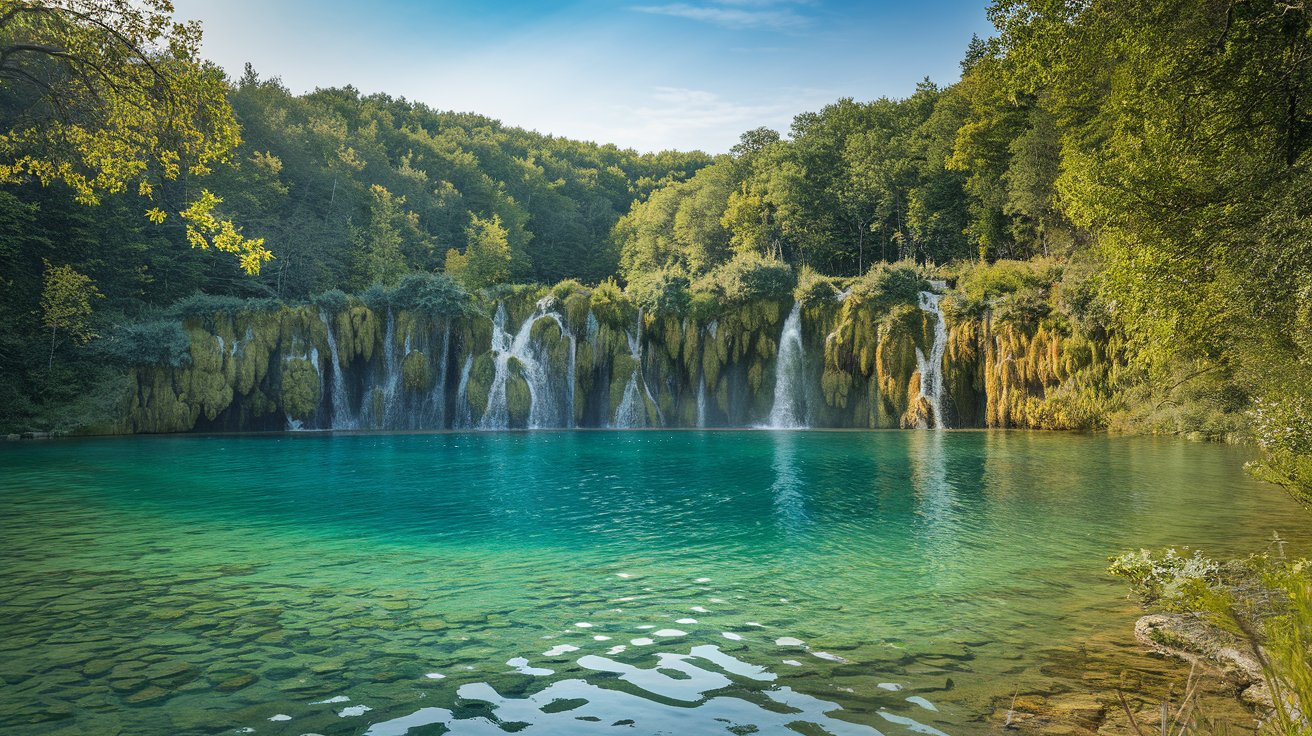
Italy’s 5 natural UNESCO sites protect exceptional biodiversity and geological formations. The Dolomites showcase spectacular mountain landscapes and unique geological processes, while the Aeolian Islands represent outstanding volcanic phenomena. Mount San Giorgio preserves remarkable fossil deposits, and the Ancient and Primeval Beech Forests span multiple European countries, with Italian components protecting pristine woodland ecosystems.
Top 10 Must-Visit UNESCO World Heritage Sites in Italy
For American travelers planning UNESCO heritage tourism in Italy, certain sites offer exceptional experiences combining historical significance with accessibility. These top destinations provide comprehensive insights into Italy’s cultural evolution while offering practical visiting opportunities for international tourists.
Historic Centre of Rome and Vatican City
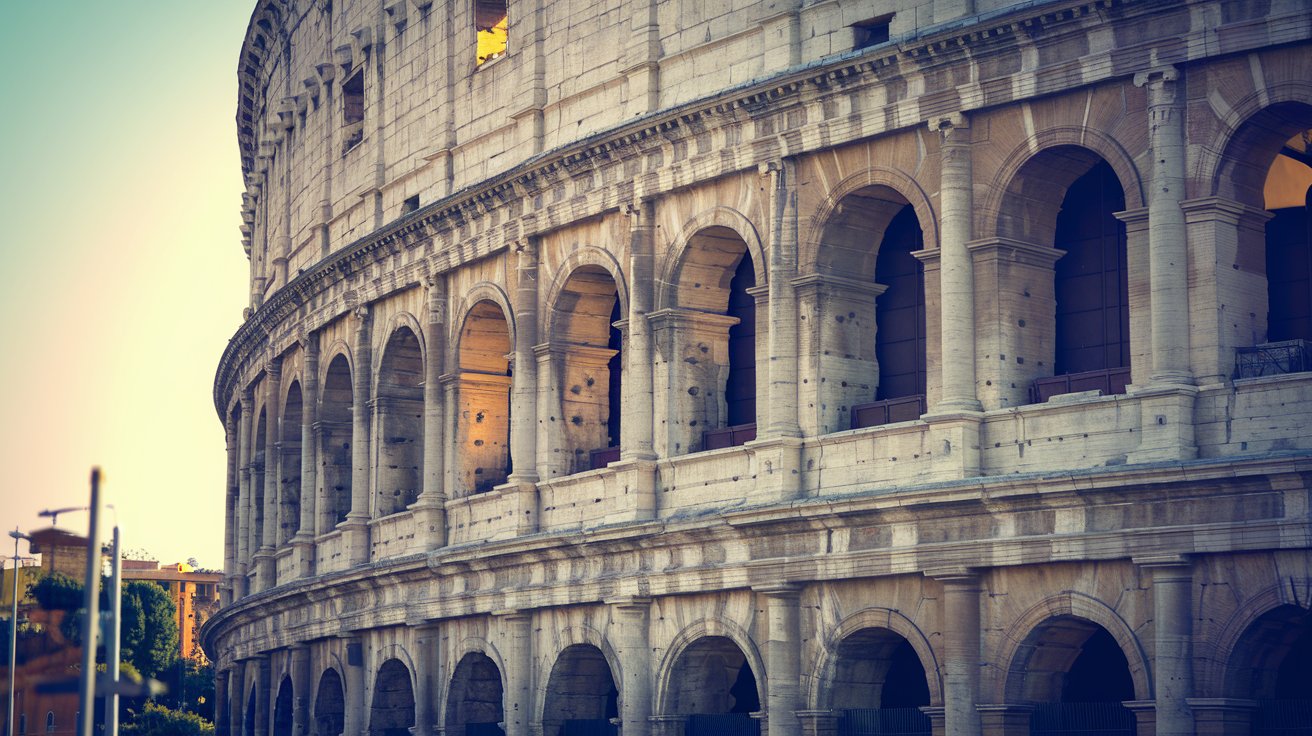
Rome’s UNESCO World Heritage designation encompasses both the historic city center and Vatican City State, creating an unprecedented dual inscription. This site includes the Colosseum, Roman Forum, Palatine Hill, and numerous churches, palaces, and archaeological areas spanning 2,000 years of continuous urban development. The Vatican’s artistic treasures include Michelangelo’s Sistine Chapel ceiling and Raphael’s frescoed rooms, making this essential for cultural heritage enthusiasts.
Venice and its Lagoon
Venice’s UNESCO status recognizes the entire city and lagoon ecosystem as an outstanding example of human settlement adapted to specific environmental conditions. Founded in the 5th century, Venice developed unique architectural and urban planning solutions, creating a masterpiece of human creative genius. The site includes 118 small islands connected by 400 bridges, with St. Mark’s Basilica, Doge’s Palace, and Grand Canal representing pinnacles of Venetian Gothic and Renaissance architecture.
Historic Centre of Florence
Florence’s Renaissance UNESCO heritage preserves the birthplace of the Italian Renaissance, featuring masterpieces by Brunelleschi, Donatello, Botticelli, and Michelangelo. The historic center encompasses the Duomo with Brunelleschi’s revolutionary dome, Uffizi Gallery, Ponte Vecchio, and Palazzo Pitti. This compact site allows visitors to experience the world’s highest concentration of Renaissance art and architecture within walkable distances, making it ideal for American tourists with limited time.
Regional Distribution of Italian UNESCO Sites
Understanding the geographic distribution of UNESCO sites across Italy’s 20 regions helps travelers plan comprehensive heritage itineraries. Northern Italy leads with 25 sites, Central Italy contributes 18 sites, and Southern Italy including Sicily adds 15 sites, creating opportunities for diverse cultural experiences from Alpine to Mediterranean environments.
Lombardy’s 10 UNESCO sites include Leonardo da Vinci’s Last Supper in Milan, the Sacri Monti religious complexes, and prehistoric rock art sites. Tuscany’s 7 sites feature Florence, Siena, San Gimignano, Pienza’s Renaissance urban planning, and the Val d’Orcia cultural landscape, offering concentrated Renaissance heritage experiences perfect for American tourists seeking authentic Italian cultural immersion.
Planning Your UNESCO Heritage Tour of Italy
Effective planning for visiting UNESCO World Heritage Sites in Italy requires understanding peak seasons, advance booking requirements, and regional transportation connections. Many sites implement timed entry systems and visitor limits, particularly Rome’s Colosseum, Florence’s Uffizi, and Venice’s St. Mark’s Basilica, making advance reservations essential for American travelers.
The optimal touring strategy combines multiple UNESCO sites within geographic clusters: Northern Italy’s Alpine and Lakes region, Central Italy’s Renaissance triangle of Florence-Siena-San Gimignano, Rome’s imperial sites, and Southern Italy’s Greek and Norman heritage. Spring and fall offer ideal weather conditions and reduced crowds, while summer brings extended hours but higher visitor volumes at popular Italian heritage destinations.
Economic Impact and Tourism Statistics
Italy’s UNESCO World Heritage Sites generate substantial economic benefits, contributing approximately €15 billion annually to the national economy through heritage tourism. American visitors represent the second-largest international market after Germany, with over 4 million U.S. tourists specifically seeking UNESCO experiences in 2024. These sites support over 250,000 jobs directly in tourism, hospitality, and cultural preservation sectors.
Recent data indicates that UNESCO designation increases visitor numbers by an average of 30% within five years of inscription. Sites like the Langhe wine region and Mantua’s Renaissance architecture have experienced significant tourism growth following UNESCO recognition, demonstrating the ongoing appeal of Italy’s cultural heritage to international markets, particularly affluent American travelers seeking authentic European experiences.
Conservation Challenges and Future Prospects
Preserving Italy’s 58 UNESCO World Heritage Sites presents ongoing challenges including climate change impacts, overtourism pressure, and funding constraints. Venice faces particular threats from rising sea levels and mass tourism, while archaeological sites like Pompeii require constant conservation efforts against weathering and visitor impact. The Italian government allocates over €500 million annually for heritage site maintenance and restoration projects.
Future UNESCO nominations from Italy include potential serial nominations of Roman aqueduct systems and medieval pilgrimage routes. The sustainable tourism initiative aims to distribute visitor flows more evenly across all 58 sites, reducing pressure on popular destinations while promoting lesser-known treasures. Digital technology integration and virtual reality experiences are enhancing visitor education while protecting fragile historical structures from excessive foot traffic.
Related video about unesco world heritage sites italy
This video complements the article information with a practical visual demonstration.
Most asked questions about unesco world heritage sites italy
How many UNESCO World Heritage Sites are in Italy?
Italy has 58 UNESCO World Heritage Sites, the highest number of any country in the world. This includes 53 cultural sites and 5 natural sites, representing approximately 5% of all UNESCO World Heritage Sites globally. Italy surpasses China (56 sites) and Germany (51 sites) in total designations.
What is the only city with 4 UNESCO World Heritage Sites?
Rome is the only city worldwide with 4 distinct UNESCO World Heritage Sites: the Historic Centre of Rome (including the Aurelian Walls), Vatican City State, the Baths of Caracalla, and San Paolo Fuori le Mura. This unique concentration reflects Rome’s 2,800-year continuous history and role as capital of the Roman Empire and Catholic Church.
Where are Italy’s UNESCO World Heritage Sites located?
Italian UNESCO sites are distributed across all 20 regions, with Lombardy leading at 10 sites, followed by Tuscany (7 sites), Lazio (6 sites), and Veneto (5 sites). Northern Italy contains 25 sites, Central Italy has 18 sites, and Southern Italy including Sicily and Sardinia contributes 15 sites, offering diverse heritage experiences from Alpine to Mediterranean environments.
Which UNESCO sites in Italy are best for American tourists?
The most accessible Italian UNESCO sites for American tourists include Rome’s Historic Centre and Vatican City, Florence’s Historic Centre, Venice and its Lagoon, the Amalfi Coast, and Tuscany’s Val d’Orcia. These destinations offer excellent infrastructure, English-language services, and comprehensive cultural experiences representing Italy’s greatest artistic and historical achievements.
What percentage of world UNESCO sites does Italy have?
Italy possesses approximately 5% of all UNESCO World Heritage Sites worldwide. With 58 sites out of roughly 1,157 total World Heritage Sites globally as of 2024, Italy maintains the highest concentration per capita and absolute number, reflecting its exceptional cultural and natural heritage spanning over 3,000 years of human civilization.
How many UNESCO sites are in Rome specifically?
Rome contains 4 UNESCO World Heritage Sites: the Historic Centre of Rome (properties of the Holy See), Vatican City State, the Archaeological Area of Ostia Antica, and Villa Adriana in nearby Tivoli. Additionally, the Via Appia Antica and various Roman monuments within the historic center contribute to Rome’s status as the world’s most UNESCO-dense urban area.
| Key Aspect | Important Details | Benefit |
|---|---|---|
| Total Sites | 58 UNESCO World Heritage Sites | World’s highest concentration |
| Site Types | 53 Cultural + 5 Natural Sites | Diverse heritage experiences |
| Geographic Spread | All 20 Italian regions represented | Comprehensive touring opportunities |
| American Visitors | 4.2 million tourists annually | Strong cultural tourism market |
| Economic Impact | €15 billion annual tourism revenue | Significant economic benefits |