France leads the world with 53 UNESCO World Heritage Sites spanning from Gothic cathedrals to Roman amphitheaters across all regions. This comprehensive guide explores every designated site, including the latest additions and practical information for American travelers planning their French heritage journey in 2024-2025.
Complete Count: How Many UNESCO Sites Are There in France?
As of 2024, France holds the prestigious position as the country with the most UNESCO World Heritage Sites globally, totaling 53 designated locations. This remarkable collection includes 45 cultural sites, 7 natural sites, and 1 mixed cultural-natural site. The most recent additions occurred in 2021 with the designation of Nice’s Winter Resort Riviera and the transnational site of Ancient and Primeval Beech Forests.
These UNESCO sites in France span every region of the country, from metropolitan France to overseas territories. Each site represents exceptional universal value that contributes to humanity’s collective heritage. For American travelers, this extensive network offers unparalleled opportunities to experience millennia of human achievement and natural wonder within a single country.
Île-de-France: Paris and Surroundings UNESCO Heritage
The Île-de-France region houses some of France’s most internationally recognized heritage sites, making it essential for first-time visitors from the United States. While the Eiffel Tower is not a UNESCO site, the region contains several world-famous designations that American tourists frequently visit during their Parisian adventures.
Palace of Versailles: Royal Grandeur Preserved
The Palace and Park of Versailles stands as one of the most visited UNESCO sites in France, welcoming over 9 million visitors annually. Designated in 1979, this baroque masterpiece encompasses the palace, gardens, and Trianon estates across 800 hectares. American visitors should allocate a full day to explore the Hall of Mirrors, royal apartments, and Marie Antoinette’s estate, with advance booking essential during peak season.
Banks of the Seine in Paris: Urban Heritage Excellence
The Banks of the Seine UNESCO designation covers central Paris from Pont de Sully to Pont de Bir-Hakeim, including Île de la Cité and Île Saint-Louis. This 1991 inscription recognizes the harmonious urban landscape featuring Notre-Dame Cathedral, Sainte-Chapelle, and the Conciergerie. Despite Notre-Dame’s ongoing restoration following the 2019 fire, the cathedral remains part of this magnificent ensemble scheduled for full reopening in December 2024.
Provence-Alpes-Côte d’Azur: Mediterranean Heritage Treasures
The southeastern region offers a spectacular concentration of UNESCO sites in France that showcase 2,000 years of Mediterranean civilization. From Roman engineering marvels to medieval papal palaces, this region provides American travelers with diverse historical experiences under the famous Provençal sun.
Roman Monuments in Arles and Orange
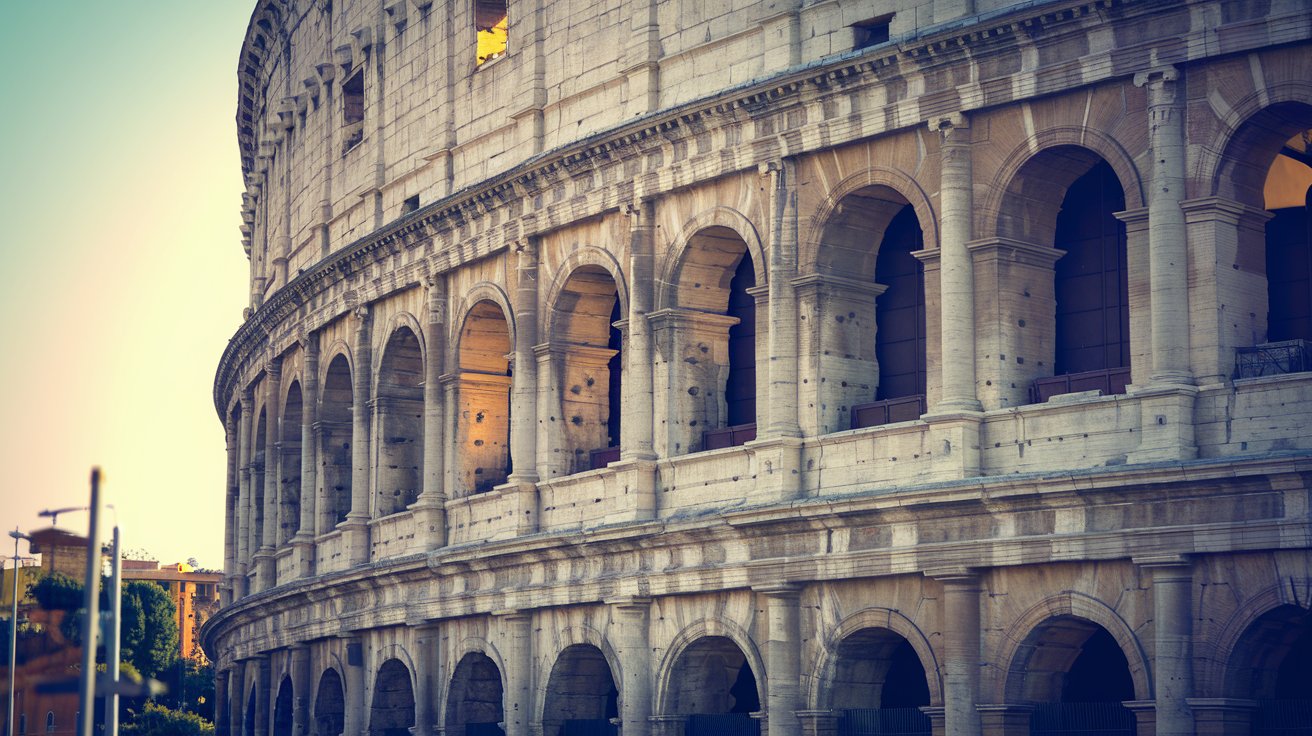
Arles boasts eight Roman monuments designated as UNESCO sites since 1981, including the amphitheater still hosting bullfights and concerts today. The nearby Roman Theatre of Orange, with its intact acoustic wall, demonstrates Roman engineering prowess. These sites offer American visitors authentic encounters with ancient Roman civilization, with guided tours available in English during summer months.
Palace of the Popes in Avignon
The Historic Centre of Avignon encompasses the papal palace, bridge, and ramparts that defined medieval European Christianity. This fortress-palace served as the papal residence during the 14th century, creating a unique architectural ensemble. The famous Pont d’Avignon and surrounding medieval city walls complete this 1995 UNESCO designation that attracts over 650,000 visitors annually.
Centre-Val de Loire: Renaissance Château Heritage
The Loire Valley’s UNESCO designation covers 800 square kilometers of cultural landscape between Sully-sur-Loire and Chalonnes-sur-Loire. This 2000 inscription celebrates the harmonious blend of Renaissance architecture, historic gardens, and river landscapes that epitomize French château culture for international visitors.
Château de Chambord: Architectural Marvel
Château de Chambord represents the pinnacle of French Renaissance architecture within the Loire Valley UNESCO site. Commissioned by François I in 1519, this castle features 440 rooms and the famous double-helix staircase possibly designed by Leonardo da Vinci. American visitors can explore the rooftop terraces offering panoramic views of the surrounding forest, with multilingual audio guides enhancing the experience.
Gardens and Château de Villandry
The ornamental gardens of Villandry showcase Renaissance garden artistry within the Loire Valley designation. These meticulously maintained geometric gardens span multiple terraces, featuring ornamental kitchen gardens, water features, and maze designs. The château houses period furniture and tapestries, creating an immersive experience of 16th-century French aristocratic life.
Nouvelle-Aquitaine: Prehistoric to Medieval Heritage
This vast region contains diverse UNESCO sites ranging from prehistoric cave art to medieval pilgrimage routes. The concentration of heritage sites reflects the region’s strategic importance throughout European history, offering American visitors encounters with humanity’s earliest artistic expressions and spiritual journeys.
Prehistoric Sites of the Vézère Valley
The Vézère Valley contains 147 prehistoric sites and 25 decorated caves, including the world-famous Lascaux complex. While the original Lascaux Cave remains closed to protect the 17,000-year-old paintings, Lascaux IV offers an extraordinary replica experience using cutting-edge technology. This 1979 UNESCO designation provides American visitors with direct connections to Cro-Magnon ancestors and the birth of human artistic expression.
Routes of Santiago de Compostela in France
The Santiago pilgrimage routes traverse Nouvelle-Aquitaine through historic towns, churches, and bridges designated as UNESCO sites since 1998. The Via Podiensis passes through Conques, featuring the magnificent Romanesque abbey church, while the Via Turonensis includes Sainte-Foy-la-Grande. Modern American pilgrims can experience these routes with organized walking tours or independent hiking adventures.
Hauts-de-France: Industrial and Gothic Heritage
Northern France showcases both medieval Gothic architecture and modern industrial heritage through its UNESCO designations. This region demonstrates how traditional craftsmanship evolved into industrial innovation, offering American visitors unique perspectives on European development.
The Gothic Cathedrals of Amiens and Beauvais represent the pinnacle of medieval architecture, while the Nord-Pas de Calais Mining Basin illustrates 19th-century industrial transformation. These contrasting heritage sites provide comprehensive views of French cultural evolution from medieval spirituality to modern industry.
Bourgogne-Franche-Comté: Monastic and Architectural Excellence
This eastern region contains UNESCO sites that exemplify monastic architecture and urban planning excellence. The concentration of Romanesque and Gothic monuments reflects the region’s historical importance as a crossroads of European civilization, particularly appealing to American visitors interested in religious architecture and wine culture.
The Abbey of Fontenay represents the oldest preserved Cistercian abbey complex, while the Hospices de Beaune demonstrates medieval charitable architecture. The Great Saltworks of Salins-les-Bains and Arc-et-Senans showcase industrial archaeology within architectural frameworks designed by Claude Nicolas Ledoux.
Auvergne-Rhône-Alpes: Natural and Volcanic Heritage
The Auvergne-Rhône-Alpes region balances natural UNESCO sites with historic urban centers, creating diverse experiences for American travelers. From volcanic landscapes to Renaissance architecture, this region demonstrates France’s geological and cultural diversity within UNESCO recognition frameworks.
The Chaîne des Puys volcanic landscape achieved UNESCO status in 2018, joining historic Lyon’s designation from 1998. These sites offer American visitors opportunities to explore both France’s geological formation and its silk-weaving heritage, with modern outdoor activities complementing cultural experiences.
Multi-Regional and Transnational UNESCO Sites
Several UNESCO sites span multiple French regions or extend beyond national borders, demonstrating the international significance of certain heritage phenomena. These designations reflect shared European cultural values and natural systems that transcend political boundaries.
The Ancient and Primeval Beech Forests designation includes French sites within a broader European network, while the Fortifications of Vauban encompass military architecture across multiple regions. These transnational and multi-regional sites offer American visitors perspectives on European cooperation and shared heritage values.
Overseas Territories: Global French Heritage
France’s overseas territories contribute unique UNESCO sites that extend French heritage into the Caribbean, Pacific, and Indian Ocean regions. These sites demonstrate France’s global cultural footprint and offer American travelers opportunities to experience French heritage in tropical and subtropical settings.
The Pitons cirques and ramparts of Réunion Island showcase volcanic landscapes and endemic biodiversity, while New Caledonia’s lagoons represent marine ecosystem excellence. These overseas UNESCO sites provide American visitors with French cultural experiences in dramatically different geographical contexts from metropolitan France.
Related video about unesco sites in france
This video complements the article information with a practical visual demonstration.
FAQ – Common Questions
How many UNESCO sites are there in France?
France has 53 UNESCO World Heritage Sites as of 2024, making it the country with the most UNESCO sites globally. This includes 45 cultural sites, 7 natural sites, and 1 mixed site spanning from metropolitan France to overseas territories.
Is the Louvre a UNESCO site?
The Louvre Museum itself is not individually designated as a UNESCO site, but it is located within the Banks of the Seine UNESCO designation that covers central Paris. This 1991 inscription includes the historic urban landscape where the Louvre sits.
Is the Eiffel Tower a UNESCO World Heritage site?
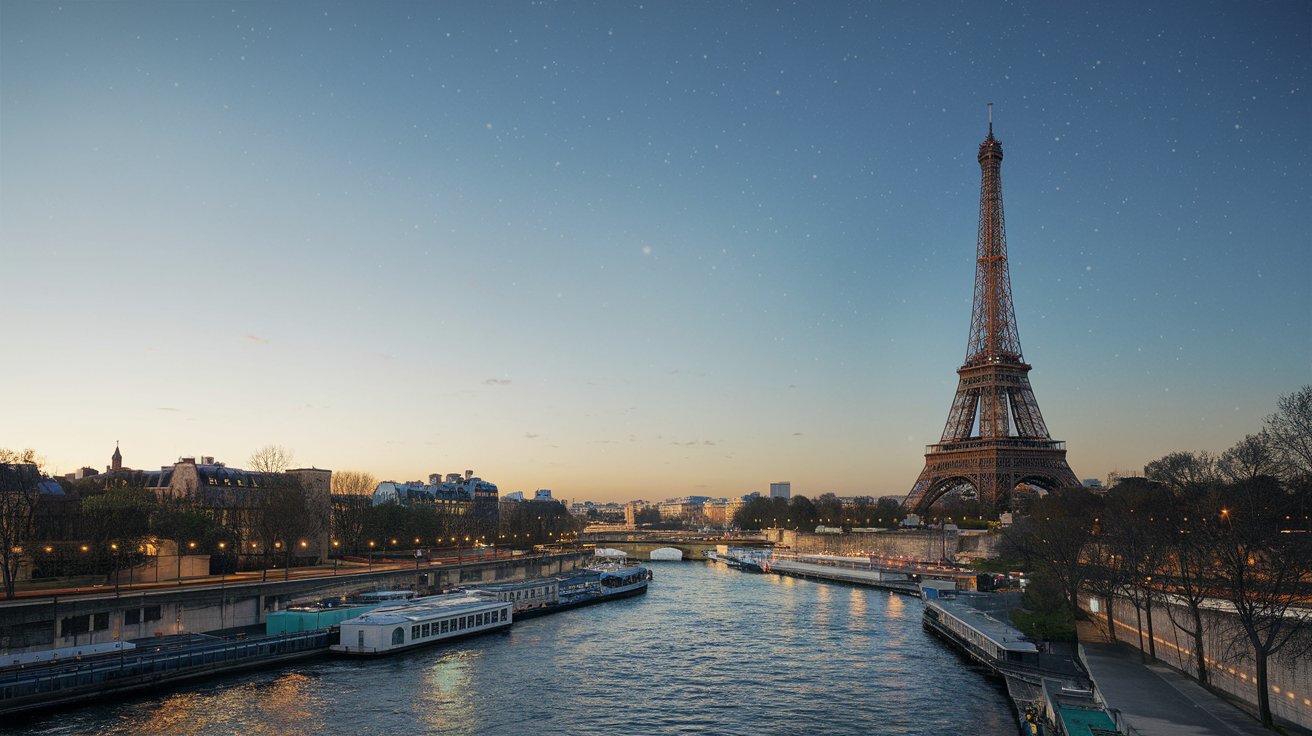
The Eiffel Tower is not individually designated as a UNESCO World Heritage site. However, it stands within the Banks of the Seine UNESCO area that encompasses central Paris’s historic urban landscape, providing it with indirect UNESCO recognition as part of the broader designation.
What is the only city with 4 UNESCO World Heritage sites?
No single city has exactly 4 UNESCO sites, but Paris contains multiple sites within the Banks of the Seine designation including Notre-Dame, Sainte-Chapelle, and the Conciergerie. Rome and Istanbul also contain multiple UNESCO sites within their urban areas.
Which French UNESCO sites are best for American first-time visitors?
First-time American visitors should prioritize Versailles Palace, the Banks of the Seine in Paris, and Loire Valley châteaux. These sites offer classic French heritage experiences with excellent English-language services and convenient transportation from major airports.
When is the best time to visit French UNESCO sites for US travelers?
The optimal period is May through September when most sites offer extended hours and English-language tours. Spring (April-May) and early fall (September-October) provide fewer crowds while maintaining good weather for outdoor heritage sites like château gardens and Roman monuments.
| Regional Focus | Key UNESCO Sites | Best for US Travelers |
|---|---|---|
| Île-de-France | Versailles, Banks of Seine | First-time visitors, luxury heritage |
| Loire Valley | Renaissance châteaux | Architecture enthusiasts |
| Provence | Roman monuments, papal sites | History buffs, Mediterranean culture |
| Nouvelle-Aquitaine | Prehistoric caves, pilgrimage routes | Adventure travelers, spiritual journeys |
| Natural Sites | Volcanic landscapes, forests | Nature lovers, outdoor activities |