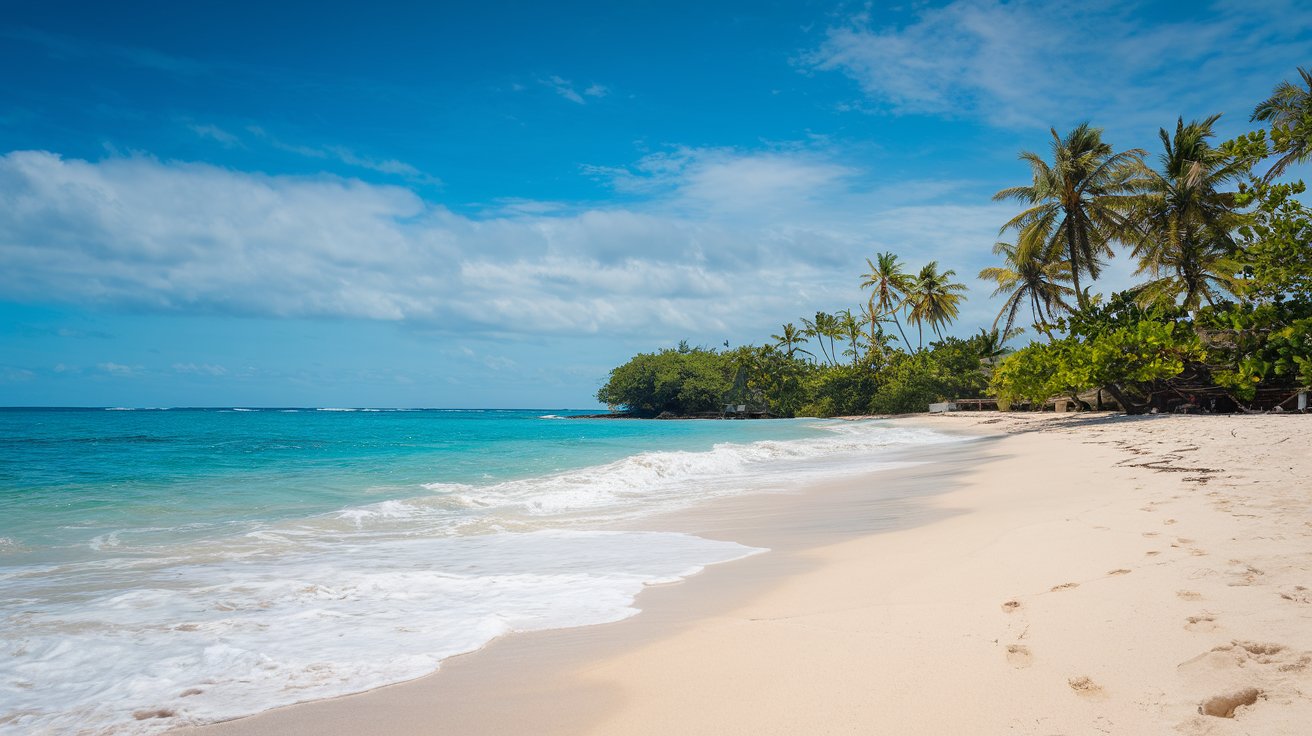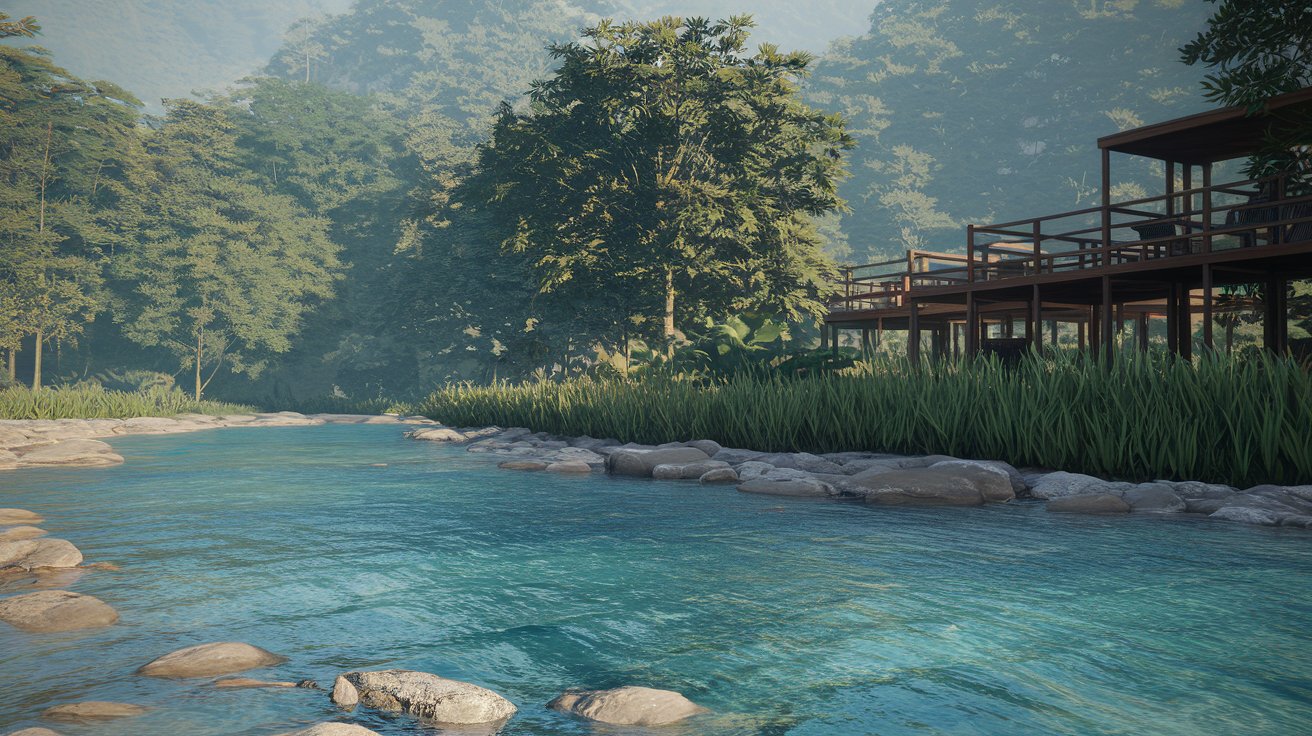
Planning a trip to Costa Rica requires insider knowledge to maximize your experience and budget. This comprehensive guide reveals essential travel tips that can save you hundreds of dollars while ensuring you don’t miss the country’s most spectacular attractions. From understanding local customs to navigating transportation options, these proven strategies will transform your Costa Rican adventure.
Costa Rica Travel Requirements and Safety Essentials
Understanding Costa Rica travel requirements is crucial for US travelers planning their 2025 trip. American citizens need a valid passport with at least six months remaining validity and a return ticket. No visa is required for stays under 90 days, making Costa Rica highly accessible for US tourists. The country maintains excellent diplomatic relations with the United States.
Costa Rica travel safety has significantly improved, with tourist police units operating in major destinations. However, petty theft remains common in urban areas like San José and popular beach towns. Keep valuables in hotel safes, avoid displaying expensive electronics, and use official taxis or ride-sharing apps after dark. The US State Department currently maintains a Level 2 travel advisory, indicating normal precautions should be taken.
Budgeting and Cost Management Strategies
Costa Rica can be surprisingly expensive, particularly in tourist zones where prices rival those found in major US cities. Costa Rica travel tips 2024 data shows that daily budgets range from $50-80 for budget travelers to $200+ for luxury experiences. A typical meal at tourist restaurants costs $15-25, while local sodas (small family restaurants) offer authentic meals for $5-8.
To maximize your budget, shop at local markets for fresh fruits and snacks, stay in accommodations with kitchenettes, and eat at sodas rather than hotel restaurants. The Costa Rican colón fluctuates against the dollar, but $100 USD can cover 2-3 days of budget accommodation, several local meals, and local transportation. Many businesses accept US dollars, though you’ll receive change in colones at unfavorable exchange rates.
Money-Saving Dining Strategies
Local sodas represent Costa Rica’s best-kept dining secret, offering traditional casados (rice, beans, plantains, salad, and protein) for $4-7. These family-run establishments provide authentic flavors and generous portions that tourist restaurants can’t match. Look for busy sodas filled with locals – they indicate fresh food and fair prices.
Accommodation Budget Tips
Consider staying in boutique hotels or eco-lodges outside major tourist centers for significant savings without sacrificing quality. Towns like Monteverde, Manuel Antonio, and Tamarindo offer budget-friendly options 10-15 minutes from main attractions. Booking directly with properties often yields better rates than international booking platforms.
Transportation: Rental Cars vs Public Options
Renting a car provides maximum flexibility for exploring Costa Rica’s diverse regions, especially if you plan to visit multiple destinations. Costa Rica travel guanacaste and other remote areas are best accessed by rental car, allowing you to discover hidden beaches and scenic viewpoints. Expect to pay $35-60 daily for economy vehicles, plus mandatory insurance costing an additional $20-35 per day.
Costa Rican roads vary dramatically in quality. Major highways connecting San José to popular destinations are well-maintained, but rural roads can be challenging during rainy season (May-November). Public transportation offers an economical alternative, with comfortable buses connecting major destinations for $2-15. The Tica Bus and other companies provide air-conditioned coaches between cities, though schedules may be limited for remote locations.
Driving Considerations and Requirements
US driver’s licenses are valid for up to three months in Costa Rica. Mandatory insurance requirements mean your personal or credit card coverage won’t suffice – you must purchase local coverage. GPS navigation can be unreliable in rural areas, so download offline maps and ask locals for directions using landmarks rather than addresses.
Public Transit Success Strategies
Costa Rica’s public bus system efficiently connects major tourist destinations. Purchase tickets at terminals rather than online for better prices. Buses fill quickly during peak seasons (December-April), so arrive 30 minutes early. Direct buses between San José and popular destinations like Manuel Antonio, Monteverde, and Puerto Viejo operate multiple times daily.
Weather Patterns and Packing Essentials
Costa Rica’s weather can change dramatically within hours, particularly in mountainous regions like Monteverde and cloud forest areas. The dry season (December-April) offers sunny skies and minimal rainfall, making it peak tourist season. However, prices increase 30-50% during these months, and popular attractions become crowded.
The rainy season (May-November) features afternoon downpours but offers significant savings, fewer crowds, and lush green landscapes. Pack lightweight, quick-dry clothing, waterproof jacket, and sturdy walking shoes regardless of travel dates. Temperatures remain fairly constant year-round, ranging from 70-85°F in most regions, though highland areas can drop to 50-60°F at night.
Wildlife Viewing and National Parks Guide
Costa Rica’s national parks protect 25% of the country’s territory, offering world-class wildlife viewing opportunities. Manuel Antonio, Monteverde, and Arenal rank among the most accessible parks for first-time visitors. Park entrance fees range from $10-16 for foreigners, with some parks requiring advance reservations during peak season.
Wildlife viewing success depends heavily on timing and guide expertise. Early morning (6-8 AM) and late afternoon (4-6 PM) provide optimal animal activity. While you’ll encounter wildlife throughout Costa Rica, hiring local guides dramatically improves your chances of spotting elusive species like sloths, poison dart frogs, and exotic birds. Professional guides cost $20-40 per person but provide invaluable knowledge about animal behavior and habitat.
Best National Parks for First-Time Visitors
Manuel Antonio National Park offers the perfect introduction to Costa Rica’s biodiversity, combining pristine beaches with accessible wildlife viewing. The park’s well-maintained trails showcase monkeys, sloths, and tropical birds within a compact area. Arrive early to avoid crowds and secure parking, as the park limits daily visitors to protect the ecosystem.
Wildlife Photography Tips
Successful wildlife photography requires patience and respect for animals’ natural behavior. Bring telephoto lenses to maintain safe distances, especially from monkeys and other potentially aggressive species. Many animals are most active during cooler morning and evening hours, providing better lighting conditions for photography.
Regional Differences: Pacific vs Caribbean Coast
Costa Rica’s two coasts offer distinctly different experiences that appeal to various traveler preferences. The Pacific Coast features developed beach towns like Tamarindo, Manuel Antonio, and Jacó, with reliable infrastructure, diverse dining options, and organized tour activities. This region experiences pronounced dry and rainy seasons, making timing crucial for optimal weather conditions.
The Caribbean Coast maintains a more laid-back, Afro-Caribbean culture centered around Puerto Viejo and Cahuita. This region receives more consistent rainfall throughout the year, creating lush rainforests and fewer crowds. The Caribbean side offers unique cultural experiences, including Caribbean cuisine, reggae music, and different wildlife species like the iconic red-eyed tree frog.
Navigation and Address System Quirks
Traditional addresses don’t exist in much of Costa Rica, particularly outside San José. Locals provide directions using landmarks, distances, and cardinal directions, such as “200 meters north of the red church” or “three blocks west of the soccer field.” This system, while initially confusing for foreigners, reflects the country’s community-oriented culture.
Download offline GPS maps before traveling, as internet connectivity can be spotty in rural areas. Google Maps functions reasonably well in major tourist areas but may struggle with rural locations. Ask for directions using landmarks visible from the road, and don’t hesitate to stop and ask locals for help – Costa Ricans are generally friendly and eager to assist visitors.
When Tours Justify the Investment
While independent travel offers flexibility and cost savings, certain Costa Rica tours provide exceptional value and access to otherwise difficult-to-reach locations. Canopy zip-lining, whitewater rafting, and deep-sea fishing require specialized equipment and local expertise that justify tour costs. These activities typically range from $60-150 per person but include transportation, equipment, and professional guides.
Multi-day adventure tours can actually save money for travelers planning to visit multiple regions. Reputable companies handle logistics, transportation, and accommodations while providing group discounts on activities. However, avoid tours that seem overpriced for simple activities like basic wildlife viewing or beach visits, which you can easily accomplish independently.
Adventure Activities Worth Booking
Zip-lining and canopy tours in Monteverde or Arenal require professional equipment and safety protocols that individual travelers cannot replicate. These tours typically include multiple zip-line platforms, suspension bridges, and expert guides who provide safety instruction and ecological information throughout the experience.
DIY vs Guided Tour Decisions
Simple activities like beach visits and basic hiking rarely justify tour prices unless you lack transportation. However, complex activities requiring permits, specialized knowledge, or safety equipment warrant professional tour operators. Research tour companies’ safety records and certifications before booking adventure activities.
Avoiding Tourist Traps and Scams
Tourist traps proliferate in Costa Rica’s most popular destinations, particularly around Manuel Antonio, Tamarindo, and Arenal. Overpriced restaurants with mediocre food cluster near park entrances and major attractions, while authentic local establishments operate just blocks away. Research restaurant reviews and ask locals for recommendations to discover genuine dining experiences.
Common scams include fake tour operators, overpriced souvenir shops, and unofficial “helpers” at airports and bus stations. Book tours through established companies with physical offices and online reviews. San jose costa rica travel tips emphasize using official taxi services or ride-sharing apps rather than accepting rides from strangers, particularly at Juan Santamaría International Airport.
Cultural Etiquette and Local Customs
Understanding Costa Rican cultural norms enhances your travel experience and demonstrates respect for local traditions. Costa Ricans value politeness and personal relationships, often engaging in small talk before conducting business. Greeting people with “Buenos días,” “Buenas tardes,” or “Buenas noches” depending on the time of day shows cultural awareness and respect.
Punctuality expectations differ from US standards – social events often begin 30-60 minutes later than stated times, though business appointments and tours maintain stricter schedules. Tipping isn’t mandatory but is appreciated for good service, with 10% being standard in restaurants and $1-2 per day appropriate for hotel housekeeping. Avoid wearing revealing clothing in churches or small rural communities, where conservative dress codes are expected.
Related video about costa rica travel tips
This video complements the article information with a practical visual demonstration.
FAQ – Common Questions
What I wish I knew before going to Costa Rica?
The most important things to know before visiting Costa Rica include budgeting for higher-than-expected costs, understanding that addresses don’t exist in most areas, and recognizing that hiring guides dramatically improves wildlife viewing success. Additionally, the weather changes quickly, especially in mountainous regions, so pack layers and waterproof clothing regardless of the season. Finally, learning basic Spanish phrases and understanding local customs will significantly enhance your experience and help you connect with the friendly local population.
Do and don’ts Costa Rica?
DO eat at local sodas for authentic and affordable meals, arrive early at national parks to avoid crowds, and hire certified guides for wildlife viewing. DO carry cash as many places don’t accept cards, and learn basic Spanish phrases. DON’T display expensive jewelry or electronics, touch or feed wildlife, or swim in rivers without checking for crocodiles. DON’T expect punctuality for social events, and avoid drinking tap water in rural areas. Always respect local customs and dress modestly when visiting religious sites.
What are the unspoken rules in Costa Rica?
Unspoken rules in Costa Rica include greeting people politely before conducting business, not pointing with your finger (use your whole hand instead), and understanding that ‘Tico time’ means social events start 30-60 minutes late. Always ask permission before photographing locals, especially indigenous people. Don’t rush conversations – Costa Ricans value personal relationships and small talk. Avoid discussing politics or making comparisons between Costa Rica and other Central American countries, as Ticos take pride in their country’s stability and democracy.
How much can $100 get you in Costa Rica?
$100 USD in Costa Rica can cover 2-3 nights in budget accommodations, 6-8 meals at local sodas, several bus rides between cities, or 1-2 national park entrance fees with guided tours. In expensive tourist areas like Manuel Antonio or Tamarindo, $100 might only cover one night at a mid-range hotel plus a couple of meals. The money goes furthest when eating at local establishments, using public transportation, and staying outside major tourist zones. Exchange rates fluctuate, but $100 typically equals about 60,000-65,000 Costa Rican colones.
Best place to visit in Costa Rica for first time?
First-time visitors should consider Manuel Antonio as their base, offering the perfect combination of beautiful beaches, accessible wildlife viewing, and tourist infrastructure. The area provides easy access to national parks, reliable accommodations, and diverse dining options. Alternatively, the Arenal region offers volcano views, hot springs, and adventure activities with good tourist services. For those preferring multiple destinations, the classic route includes San José, Manuel Antonio, and Monteverde, providing diverse ecosystems and experiences while maintaining manageable travel distances.
Costa Rica travel essentials to pack?
Essential items for Costa Rica include lightweight, quick-dry clothing, waterproof rain jacket, sturdy hiking shoes, and sandals for beaches. Pack high SPF sunscreen (it’s expensive locally), insect repellent with DEET, basic first aid supplies, and any prescription medications. Bring a reusable water bottle, waterproof phone case, portable phone charger, and cash in small bills. Don’t forget a good camera with extra batteries, binoculars for wildlife viewing, and a Spanish phrasebook or translation app to enhance local interactions.
| Travel Aspect | Key Strategy | Expected Savings/Benefits |
|---|---|---|
| Dining | Eat at local sodas instead of tourist restaurants | Save 60-70% on meal costs |
| Transportation | Use public buses for major routes | Save $200-400 vs rental car |
| Wildlife Viewing | Hire certified local guides | 3x more wildlife sightings |
| Accommodation | Stay outside major tourist zones | Save 30-50% on lodging costs |
| Season Timing | Travel during green season | Save 40% overall, fewer crowds |