Planning a trip to Washington DC requires insider knowledge to maximize your experience while minimizing costs. The nation’s capital offers world-class museums, iconic monuments, and political landmarks that attract over 25 million visitors annually. These essential Washington DC travel tips will help you navigate the city like a local, discover free attractions, and create an unforgettable itinerary whether you’re visiting for a day or planning an extended stay.
Essential Planning Tips Before Your DC Visit
Successful Washington DC trip planning begins months before your arrival, especially during peak season from March through August. The city experiences four distinct seasons, with spring offering the famous cherry blossoms but also the largest crowds. Summer brings sweltering humidity exceeding 80% and temperatures above 90°F, while fall provides comfortable weather and fewer tourists. Winter visitors enjoy shorter lines at museums and monuments, though some outdoor activities may be limited.
Budget considerations are crucial for DC travel planning, as hotel rates fluctuate dramatically based on political events and tourism seasons. Downtown hotels average $200-400 per night during peak periods, while staying in Arlington or Alexandria can reduce costs by 30-40%. Metro accessibility from surrounding areas makes these locations practical for budget-conscious travelers seeking easy access to major attractions.
Best Time to Visit Washington DC
The optimal time to visit Washington DC depends on your priorities regarding weather, crowds, and special events. Spring months from March to May offer mild temperatures and the iconic cherry blossom festival, typically peaking in early April. However, this period sees the highest tourist volume and accommodation prices. Fall months from September to November provide comfortable walking weather with average temperatures between 60-75°F and significantly fewer crowds at major attractions.
DC Weather and What to Pack
Washington DC’s humid subtropical climate requires strategic packing for comfortable sightseeing. Summer visitors should pack lightweight, breathable clothing, comfortable walking shoes with good support, and a portable umbrella for frequent afternoon thunderstorms. Winter travelers need warm layers, waterproof footwear, and cold-weather accessories as temperatures can drop below 30°F with occasional snow. Comfortable walking shoes are essential year-round, as most attractions require extensive walking on various surfaces.
Getting Around DC: Transportation and Safety
Washington DC walkability makes it one of America’s most pedestrian-friendly cities, with most major attractions concentrated within a 3-mile radius. The National Mall stretches 2 miles from the Capitol to the Lincoln Memorial, requiring substantial walking but offering unobstructed views of iconic monuments. The city’s grid system and numbered streets make navigation intuitive for first-time visitors, though understanding the quadrant system (NW, NE, SW, SE) prevents confusion.
The Washington Metropolitan Area Transit Authority (WMATA) operates an extensive subway system serving 91 stations across six lines. A 7-day Metro pass costs $65 and provides unlimited rides on both Metro trains and buses throughout the region. DC Metro stations connect directly to major tourist destinations including the Smithsonian museums, National Zoo, and Reagan National Airport, making it the most cost-effective transportation option for visitors.
Is DC Safe for Tourists?
Washington DC safety for tourists has improved significantly, with the National Mall and major tourist areas maintaining heavy security presence and low crime rates. The tourist corridor between the Capitol and Lincoln Memorial experiences regular police patrols and is considered very safe during daylight hours. However, travelers should exercise standard urban precautions, avoid isolated areas after dark, and stay within well-lit, populated zones when exploring neighborhoods beyond the main attractions.
Walking vs. Metro vs. Rideshare Options
Choosing between walking, Metro, and rideshare depends on your itinerary and physical abilities. Walking provides the most flexibility and photo opportunities but can be exhausting when covering multiple neighborhoods. Metro offers reliable, air-conditioned transportation for $2-6 per ride, connecting major attractions efficiently. Rideshare services like Uber and Lyft cost $8-20 for typical tourist destinations but face traffic congestion and surge pricing during peak times and special events.
Free Attractions and Museums in Washington DC
Free attractions in Washington DC represent the city’s greatest value proposition, with world-renowned museums and monuments accessible without admission fees. The Smithsonian Institution operates 17 museums in the DC area, including the National Museum of Natural History, National Air and Space Museum, and National Museum of American History. These institutions house priceless collections from dinosaur fossils to the Hope Diamond, providing educational experiences comparable to museums charging $25-30 elsewhere.
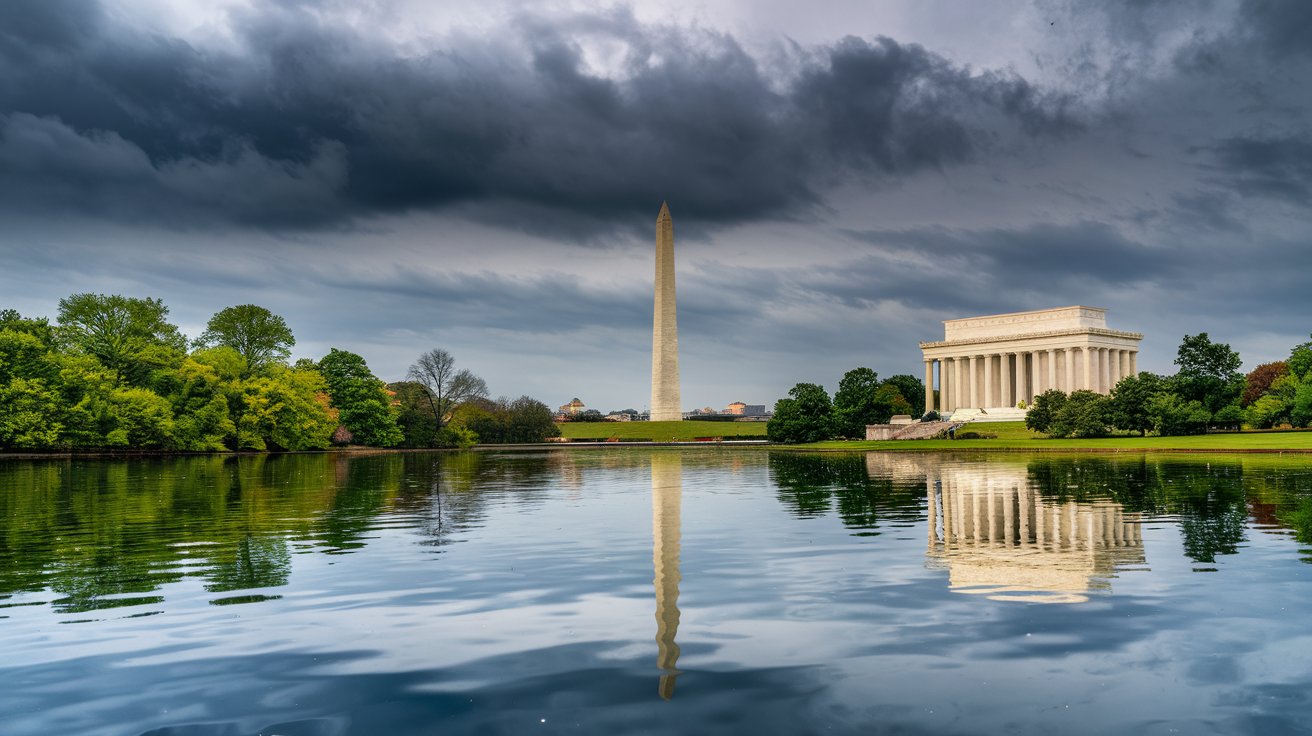
The National Mall serves as America’s front yard, featuring iconic monuments and memorials that define the nation’s identity. The Lincoln Memorial, Washington Monument, and Vietnam Veterans Memorial offer powerful experiences without cost barriers. The U.S. Capitol and White House provide free tours through advance reservations, allowing visitors to explore the actual chambers where laws are made and democracy functions.
Top Smithsonian Museums to Visit
Priority Smithsonian museums for first-time visitors include the National Museum of Natural History with its dinosaur exhibits and Hope Diamond, the National Air and Space Museum featuring original spacecraft and flight simulators, and the National Museum of American History showcasing cultural artifacts from the Star-Spangled Banner to First Ladies’ gowns. Each museum requires 3-4 hours for comprehensive exploration, making it impossible to visit all Smithsonian facilities in a single trip.
Monument and Memorial Walking Tour
A self-guided National Mall walking tour covers America’s most significant monuments in a 4-mile circuit requiring 2-3 hours of walking time. Start at the Capitol Building, proceed to the Washington Monument, continue to the World War II Memorial, Lincoln Memorial, Korean War Veterans Memorial, and Vietnam Veterans Memorial. The Jefferson Memorial requires a separate detour but offers stunning views across the Tidal Basin, especially beautiful during cherry blossom season.
Budget-Friendly DC Travel Strategies
Budget travel in Washington DC becomes manageable through strategic planning and taking advantage of free attractions. Food costs can be controlled by utilizing food trucks offering $8-12 meals, grocery stores for picnic supplies, and happy hour specials at restaurants near tourist areas. The city’s food hall scene provides diverse dining options at reasonable prices, with Union Market and Eastern Market offering local vendors and international cuisine.
Accommodation savings come from booking early, considering hotels outside downtown, or exploring vacation rental options in residential neighborhoods with Metro access. DC budget hotels in areas like Dupont Circle or Foggy Bottom often provide better value than downtown properties while maintaining easy access to attractions via Metro or walking.
Free Food and Dining Options
Finding affordable food in DC requires knowing where locals eat rather than tourist-focused establishments. Food trucks throughout the city offer authentic international cuisine at fraction of restaurant prices, with popular options including tacos, Ethiopian food, and BBQ. Many hotels provide complimentary breakfast, while grocery stores like Whole Foods and Safeway allow visitors to prepare simple meals and snacks for sightseeing days.
Money-Saving Accommodation Tips
DC accommodation savings can reach 40-50% by staying in Arlington, Alexandria, or other Virginia suburbs with direct Metro connections to downtown. These areas offer chain hotels, vacation rentals, and extended-stay properties at significantly lower rates than downtown DC. Booking directly with hotels often provides better rates than third-party sites, while loyalty program members receive upgrades and amenities that enhance the travel experience.
3-Day Washington DC Itinerary for First-Time Visitors
A well-structured 3-day DC itinerary balances must-see attractions with cultural experiences and manageable walking distances. Day one should focus on the National Mall, covering major monuments and one Smithsonian museum. Day two can explore Capitol Hill with tours of the Capitol Building and Supreme Court, plus additional museum visits. Day three allows for neighborhood exploration, such as Georgetown’s historic streets or the trendy 14th Street corridor with its restaurants and galleries.
Pacing becomes crucial for first-time DC visitors, as attempting too many attractions leads to exhaustion and diminished experiences. Each major museum requires 3-4 hours for meaningful exploration, while monument visits can be completed more quickly but deserve contemplative time. Building rest breaks and meal times into your schedule prevents the rushed feeling that diminishes travel satisfaction.
Day 1: National Mall and Monuments
Your first day in Washington DC should begin early at the National Museum of Natural History, opening at 10:00 AM with timed entry tickets available online. After 3-4 hours exploring dinosaurs and the Hope Diamond, walk to the Washington Monument for exterior photos, then continue to the Lincoln Memorial. End your day at the Vietnam Veterans Memorial and Korean War Veterans Memorial, allowing time for reflection at these moving tributes to American service members.
Day 2: Capitol Hill and Smithsonian Museums
Capitol Hill exploration begins with a free tour of the U.S. Capitol Building, requiring advance online reservations through your Congressional representative’s office. The tour includes the Rotunda, National Statuary Hall, and opportunities to observe Congress in session when available. Follow this with visits to the Library of Congress Jefferson Building and Supreme Court, both offering free self-guided tours showcasing American democratic institutions.
Day 3: Neighborhoods and Local Culture
Explore DC neighborhoods beyond the tourist core to experience the city’s authentic character. Georgetown offers cobblestone streets, high-end shopping, and waterfront dining along the Potomac River. The Adams Morgan area provides diverse dining options and vibrant nightlife, while Dupont Circle features galleries, bookstores, and the famous Sunday farmers market. Each neighborhood is accessible via Metro and offers unique perspectives on Washington’s residential communities.
Family Travel Tips for Washington DC
Family travel in Washington DC requires special considerations for keeping children engaged while managing logistics across multiple attractions. Most Smithsonian museums offer family-friendly interactive exhibits, with the National Museum of Natural History’s dinosaur hall and Discovery Room particularly appealing to younger visitors. The National Zoo, part of the Smithsonian system, provides a full-day experience with giant pandas, elephant trails, and educational programs designed for children of all ages.
Stroller navigation and rest areas become important factors when traveling to DC with kids. The National Mall’s wide pathways accommodate strollers easily, though museum elevators and crowds require patience. Many attractions provide nursing areas and family restrooms, while numerous food options cater to children’s preferences. Planning shorter walking distances and building playground stops into your itinerary helps maintain family harmony during extended sightseeing days.
Advanced Tips from Local DC Experts
Experienced Washington DC travelers recommend avoiding peak tourist hours by starting early at popular attractions and saving indoor museums for midday when outdoor temperatures become uncomfortable. Timed entry tickets for popular museums should be reserved weeks in advance, especially during cherry blossom season and summer months. Local insider knowledge suggests visiting monuments at sunrise or sunset for dramatic lighting and smaller crowds, particularly the Lincoln Memorial which faces west for stunning sunset photography.
Hidden gems in Washington DC include the Renwick Gallery’s contemporary art installations, the Phillips Collection’s intimate Impressionist works, and the Hirshhorn Museum’s modern art collection. These smaller institutions provide cultural experiences without the overwhelming crowds of larger Smithsonian facilities. Food enthusiasts should explore Eastern Market on weekends for local vendors, craft items, and authentic Washington dining experiences away from tourist-focused establishments.
Related video about washington dc travel tips
This video complements the article information with a practical visual demonstration.
Most asked questions about washington dc travel tips
What should I know before traveling to Washington DC?
Before visiting Washington DC, reserve free museum tickets online in advance, plan for extensive walking on the National Mall, and understand that most major attractions are free. The city requires significant walking between monuments, so comfortable shoes and weather-appropriate clothing are essential. Metro passes provide cost-effective transportation, while staying outside downtown can reduce accommodation costs by 30-40%.
What should first-time visitors do in Washington DC?
First-time DC visitors should prioritize the National Mall monuments including Lincoln Memorial and Washington Monument, visit at least two Smithsonian museums such as Natural History or Air and Space, and tour the U.S. Capitol Building. A 3-day itinerary allows adequate time to experience major attractions without rushing, while building in rest breaks and meals between walking-intensive sightseeing.
Is Washington DC walkable for tourists?
Washington DC is highly walkable for tourists, with most major attractions concentrated within a 3-mile radius of the National Mall. The city features wide sidewalks, clear street signage, and pedestrian-friendly intersections. However, distances between attractions require substantial walking – the National Mall alone stretches 2 miles from Capitol to Lincoln Memorial, so comfortable shoes and physical preparation are essential.
Is it safe to walk around Washington DC during the day?
Washington DC is very safe for tourists walking during daylight hours, especially in the National Mall area and major tourist corridors. These areas maintain heavy security presence and regular police patrols. The tourist zones between Capitol and Lincoln Memorial experience very low crime rates, though visitors should exercise standard urban precautions and stay in well-populated, well-lit areas.
How many days do you need to visit Washington DC properly?
A comprehensive Washington DC visit requires 3-4 days minimum to experience major attractions without rushing. This allows one day for National Mall monuments, one day for Smithsonian museums, one day for Capitol Hill and government buildings, and an optional fourth day for neighborhoods like Georgetown or additional museums. Extended stays of 5-7 days enable deeper exploration of the city’s cultural offerings and dining scene.
What’s the best way to get around Washington DC as a tourist?
The Washington Metro system provides the most efficient and cost-effective transportation for tourists, with stations directly connecting major attractions. A 7-day Metro pass costs $65 and includes unlimited rides on trains and buses. Walking is ideal for the National Mall area, while rideshare services work well for reaching neighborhoods not directly accessible by Metro, though traffic congestion can be significant during peak hours.
| Travel Aspect | Key Details | Money-Saving Benefit |
|---|---|---|
| Free Attractions | 17 Smithsonian museums, National Mall monuments | Save $25-30 per museum visit |
| Metro Transportation | 7-day unlimited pass for $65 | Avoid $15-25 daily rideshare costs |
| Suburban Hotels | Arlington/Alexandria with Metro access | Reduce accommodation costs by 30-40% |
| Food Trucks | International cuisine at $8-12 per meal | Save $10-15 compared to restaurants |
| Walking Tours | Self-guided National Mall circuit | Avoid $20-30 guided tour fees |