Egypt offers American travelers an extraordinary journey through ancient wonders and vibrant culture. With travel tips for Egypt from recent USA visitors, you can navigate this fascinating destination safely and confidently. From understanding local customs to managing currency exchanges, proper preparation ensures an unforgettable experience exploring pyramids, temples, and bustling markets while avoiding common tourist pitfalls.
Essential Safety Guidelines for US Tourists in Egypt
Current safety conditions in Egypt show significant improvement for tourists visiting in 2025. The US State Department maintains a Level 2 travel advisory, indicating normal precautions are sufficient for most areas. Tourist police actively patrol major attractions, and resort areas like Sharm El Sheikh and Hurghada maintain excellent security standards. American travelers should register with the Smart Traveler Enrollment Program (STEP) and maintain situational awareness, especially in crowded markets and transportation hubs.
Women travelers from the USA should dress modestly, covering shoulders and knees, particularly when visiting religious sites. Carrying a copy of your passport while keeping the original in hotel safes prevents complications during routine security checks. Most Egypt travel tips for women emphasize traveling in groups when possible and using reputable tour operators for desert excursions and remote archaeological sites.
Current Security Measures at Tourist Sites
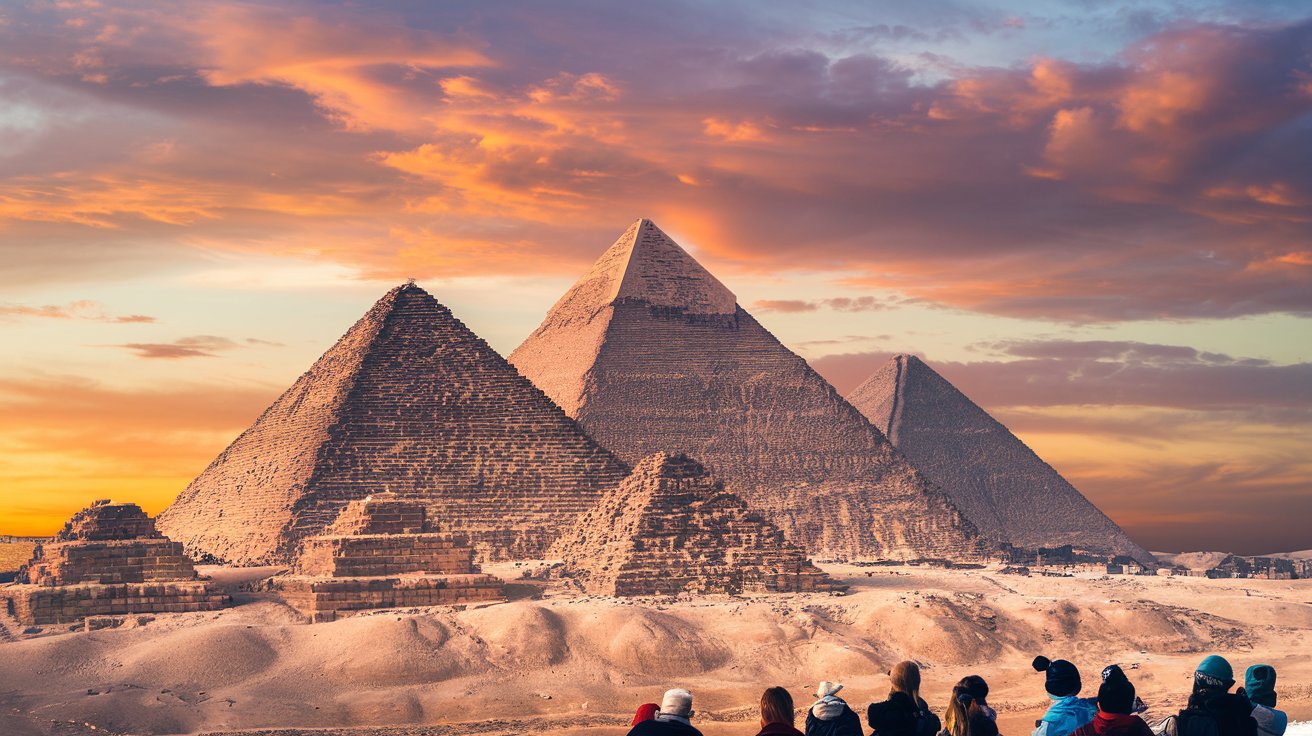
Egyptian authorities have implemented comprehensive security screening at major attractions including the Pyramids of Giza, Valley of the Kings, and Karnak Temple. Metal detectors and bag searches are standard, with tourist police stationed at entry points. Is it safe to travel to Egypt right now remains a common concern, but 2024-2025 statistics show tourist-related incidents have decreased by 40% compared to previous years, with enhanced security protocols contributing to safer experiences for American visitors.
Emergency Contacts for US Citizens
The US Embassy in Cairo provides 24/7 emergency services at +20 (2) 2797-3300, while the Consulate General in Alexandria operates during business hours. American Citizens Services offers assistance with lost passports, medical emergencies, and legal issues. Travelers should program these numbers into their phones and carry emergency contact cards with local police (122), ambulance (123), and tourist police (126) numbers for immediate assistance throughout Egypt.
Visa Requirements and Entry Procedures from USA
American citizens require a valid passport and tourist visa for Egypt entry. The e-Visa system, launched in 2024, allows online applications processed within 7 business days for $25 USD. Alternatively, Travel tips for egypt from usa include obtaining visas on arrival at Cairo, Luxor, and Hurghada airports for $25 cash. Passports must have six months validity and two blank pages. Business visas require additional documentation and cost $60.
Transit passengers staying under 48 hours in airport zones don’t need visas, but exiting airports requires proper documentation. Multiple-entry visas cost $35 and allow stays up to 30 days per visit within six months. Processing times for embassy applications in Washington DC, New York, or Los Angeles typically take 5-7 business days with all required documentation properly submitted.
Currency Exchange and Payment Methods
The Egyptian Pound (EGP) serves as local currency, with current exchange rates around 31 EGP per US dollar in 2025. Major banks including National Bank of Egypt, CIB, and HSBC offer competitive exchange rates compared to airport kiosks. ATMs accept international cards but charge withdrawal fees averaging $3-5 per transaction. Carrying small denomination US dollars proves useful for tips and small purchases in tourist areas.
Credit cards work at upscale hotels, restaurants, and shops, but cash remains king for local markets, taxis, and street vendors. Visa and Mastercard have wider acceptance than American Express. Mobile payment apps like InstaPay gain popularity among younger merchants. Exchange money at banks or authorized dealers to avoid counterfeit bills and unfavorable rates from street money changers.
ATM Locations and Banking Hours
ATMs operate 24/7 at airports, major hotels, and shopping centers throughout Egypt. HSBC, CIB, and Banque Misr machines offer English language options and accept most international cards. Daily withdrawal limits typically range from $200-400 USD equivalent. Banking hours are Sunday through Thursday 8:30 AM to 2:00 PM, with some branches reopening 5:00-8:00 PM. Friday and Saturday are weekend days when most banks close.
Tipping Guidelines and Local Customs
Tipping culture in Egypt differs significantly from USA standards. Restaurant servers expect 10-12% of the bill, while hotel staff receive 20-50 EGP per service. Tour guides merit 100-200 EGP per day, and drivers earn 50-100 EGP daily. Is 1 dollar a good tip in Egypt applies to small services like restroom attendants or photo assistance. Carrying small bills (5, 10, 20 EGP notes) facilitates smooth tipping throughout your journey.
Transportation Options and Getting Around
Cairo Metro offers efficient transportation for 7 EGP per ride, with Line 3 connecting airport to downtown areas. Uber and Careem provide reliable ride-sharing services with upfront pricing in major cities. Traditional taxis require negotiation, with typical rates of 5-10 EGP per kilometer. Train services connect major destinations, with first-class tickets from Cairo to Luxor costing around $40 USD for comfortable overnight journeys.
Domestic flights through EgyptAir connect major tourist destinations efficiently. Cairo to Aswan flights take 90 minutes versus 13 hours by train. Rental cars are available but not recommended for first-time visitors due to chaotic traffic patterns and different driving customs. Public Transportation buses serve local routes but can be crowded and confusing for tourists unfamiliar with Arabic signage.
Health Precautions and Medical Considerations
No mandatory vaccinations are required for US travelers to Egypt, but CDC recommends routine vaccines plus Hepatitis A and Typhoid shots. Tap water should be avoided; bottled water costs 5-10 EGP and is widely available. International health insurance coverage is essential, as private healthcare can be expensive. Pharmacies stock common medications, but bringing prescription drugs in original containers prevents customs issues.
How to avoid getting sick in Egypt involves eating at reputable restaurants, avoiding street food initially, and using hand sanitizer frequently. Traveler’s diarrhea affects many visitors, so packing anti-diarrheal medication proves wise. Private hospitals in Cairo and Alexandria offer high-quality care, while tourist areas have medical centers with English-speaking staff for minor ailments and emergencies.
Common Health Issues and Prevention
Heat exhaustion remains the most common health issue for American tourists, particularly during summer months when temperatures exceed 100°F. Dehydration occurs rapidly in desert climates, requiring increased water intake and electrolyte replacement. Sunscreen with SPF 30+ is essential, as UV exposure intensifies near reflective sand and water surfaces. Insect repellent prevents mosquito-borne illnesses in Nile Delta regions.
Medical Facilities and Emergency Care
Cairo’s As-Salaam International Hospital and Maadi’s New Cairo Medical Center provide Western-standard healthcare with English-speaking physicians. Travel insurance should include medical evacuation coverage, as serious conditions may require transport to European or American facilities. Emergency numbers include 123 for ambulance services, though response times vary significantly between urban and rural areas throughout Egypt.
Cultural Etiquette and Dress Codes
Egypt’s predominantly Muslim culture requires respectful behavior and appropriate attire, especially at religious sites. Modest clothing covering arms and legs shows respect and prevents unwanted attention. During Ramadan (dates vary annually), eating and drinking publicly during daylight hours should be avoided. Friday prayers create increased activity around mosques, with some businesses closing temporarily for religious observances.
Photography restrictions apply at military installations, government buildings, and some museum areas. Always ask permission before photographing locals, as many prefer privacy. Handshaking between opposite genders may be declined for religious reasons. Learning basic Arabic greetings like “Shukran” (thank you) and “Ma’a salama” (goodbye) demonstrates cultural appreciation and often results in warmer interactions with Egyptian people.
Accommodation Options and Booking Strategies
Egypt offers diverse lodging from luxury resorts to budget hostels. Five-star hotels like the Old Winter Palace in Luxor or Four Seasons in Cairo provide Western amenities with Egyptian charm. Mid-range options include boutique hotels and Nile view properties averaging $80-150 per night. Budget travelers find clean hostels and guesthouses for $15-40 nightly, particularly in backpacker areas of Cairo and Dahab.
Booking directly with hotels often yields better rates and upgrades compared to third-party sites. Red Sea resorts in Hurghada and Sharm El Sheikh offer all-inclusive packages popular with American families. Nile cruise ships provide unique accommodation while traveling between Luxor and Aswan. Accommodations should be booked well in advance during peak season (October-April) when weather conditions are most favorable for touring.
Food Safety and Dining Experiences
Egyptian cuisine offers rich flavors and diverse dishes, but food safety requires attention. Stick to busy restaurants with high turnover, indicating fresh ingredients. Avoid raw vegetables and unpeeled fruits unless you wash them with bottled water. Street food can be delicious but poses higher risks for sensitive stomachs. Popular dishes include koshari, ful medames, and grilled meats served with fresh bread.
Food and Water safety improves significantly at upscale restaurants and international hotel chains. Ice cubes should be avoided unless confirmed to be made from purified water. Fresh juices from street vendors may use tap water, so bottled beverages are safer choices. Cooked foods served hot pose minimal risks, while buffets sitting at room temperature should be approached cautiously by travelers with sensitive digestive systems.
Related video about travel tips for egypt
This video complements the article information with a practical visual demonstration.
Key Questions and Answers
Do and don’ts in Egypt?
Do dress modestly, especially at religious sites, tip service workers appropriately, and respect local customs during prayer times. Don’t drink tap water, eat street food initially, photograph military installations, or show public displays of affection. Remove shoes when entering mosques and avoid pointing feet toward people while sitting.
Is 1 dollar a good tip in Egypt?
Yes, $1 USD (approximately 31 EGP in 2025) is appropriate for small services like restroom attendants, photo assistance, or minor favors. For larger services, tip 10-12% at restaurants, 100-200 EGP daily for tour guides, and 50-100 EGP for drivers. Hotel staff typically receive 20-50 EGP per service.
Is it safe in Egypt right now for tourists?
Egypt is generally safe for tourists in 2025, with the US State Department maintaining a Level 2 travel advisory. Tourist police patrol major attractions, and security measures have improved significantly. Tourist-related incidents decreased 40% in 2024-2025. Stick to established tourist areas and use reputable tour operators for the safest experience.
How to avoid getting sick in Egypt?
Drink only bottled water, eat at busy restaurants with high turnover, avoid raw vegetables and unpeeled fruits, and use hand sanitizer frequently. Take probiotics before traveling, pack anti-diarrheal medication, and gradually introduce local foods to your system. Avoid ice cubes and street food during your first few days.
What is the best time to visit Egypt from the USA?
October through April offers the best weather for American tourists, with temperatures ranging 60-80°F. Peak season is December-February when reservations should be made well in advance. Summer months (May-September) bring extreme heat exceeding 100°F but offer lower prices and fewer crowds at major attractions.
Do I need travel insurance for Egypt?
Yes, comprehensive travel insurance including medical evacuation coverage is highly recommended. Private healthcare in Egypt can be expensive, and serious conditions may require transport to European or American facilities. Insurance should cover medical expenses, trip cancellation, and emergency evacuation with minimum $100,000 medical coverage.
| Essential Aspect | Key Requirements | Expected Costs |
|---|---|---|
| Visa | Valid passport + tourist visa | $25 USD online/arrival |
| Currency | Egyptian Pounds (31 EGP per USD) | ATM fees $3-5 per transaction |
| Accommodation | Book in advance Oct-Apr | $15-150 per night range |
| Transportation | Uber/Careem recommended | Metro 7 EGP, flights $40-80 |
| Health | Travel insurance + vaccinations | $100k+ medical coverage |