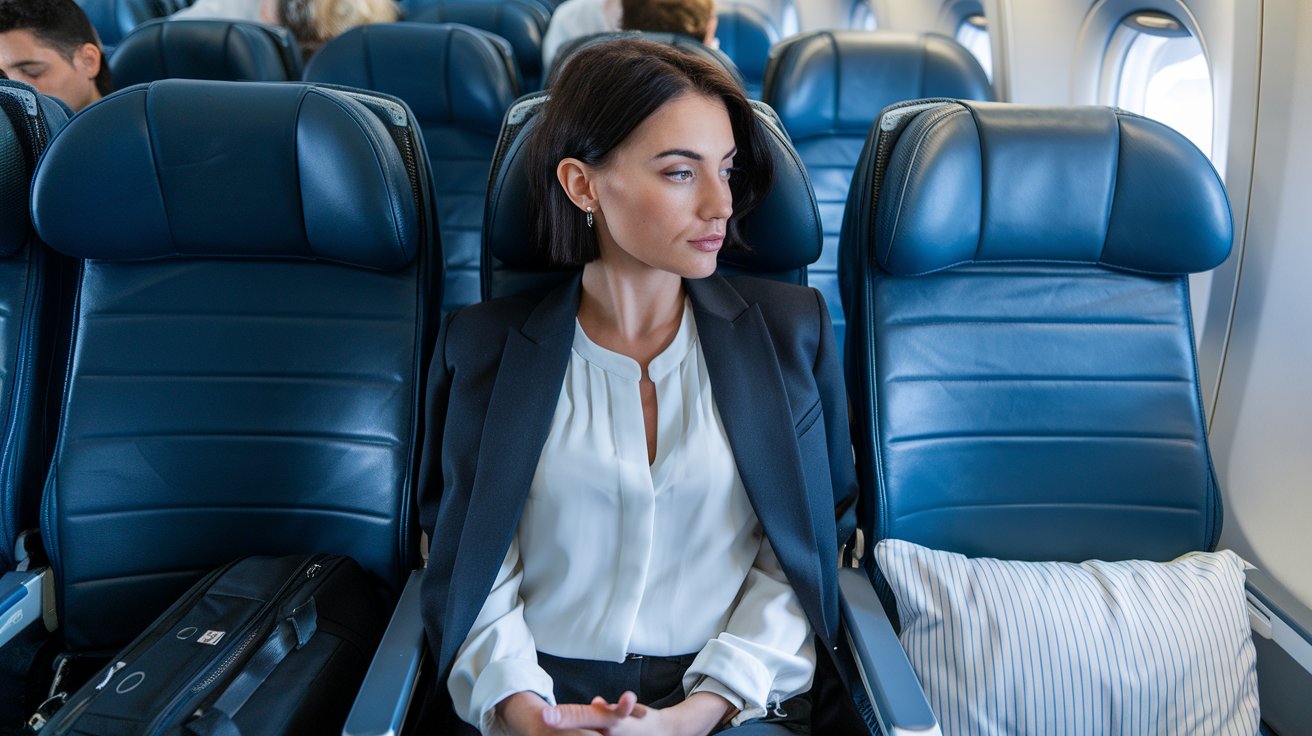
Long flights can be challenging, especially in economy class, but with the right travel tips for long flights, you can transform your journey from miserable to manageable. Whether you’re facing a 10-hour flight to Europe or a 15-hour journey to Asia, proper preparation and smart strategies will help you arrive refreshed and ready for your adventure.
Pre-Flight Preparation for Long Haul Travel
Preparing for your long flight begins weeks before departure. Start adjusting your sleep schedule 3-5 days before travel by shifting your bedtime one hour closer to your destination’s time zone each night. This gradual adjustment helps minimize jet lag and makes it easier to survive long flights without extreme fatigue.
Book your flight strategically by choosing departure times that align with your natural sleep patterns. Red-eye flights work well if you can sleep on planes, while daytime flights are better for anxious travelers who prefer staying awake. Research shows that flights departing between 6 AM and 10 AM have the lowest delay rates in 2024, making them ideal for international travel.
Strategic Seat Selection for Maximum Comfort
Your seat choice dramatically impacts your long-flight experience. While many travelers assume front seats are best, the back of the plane often offers unexpected advantages for economy passengers on long hauls.
Best Seat Locations for Long Flights
Choose seats toward the back of the plane for several reasons: they’re often less crowded, allowing for potential empty middle seats, and you’ll be closer to flight attendants for quicker service. Avoid seats near galleys and bathrooms due to constant foot traffic and noise. Window seats provide a wall to lean against for sleeping, while aisle seats offer easy bathroom access and leg stretching opportunities. The best way to prepare for seating is checking in exactly 24 hours before departure to access premium seat selections.
The Three Seat Economy Trick Explained
The three seat economy trick involves booking the window and aisle seats in a three-seat row, leaving the middle seat empty. Most passengers avoid middle seats, increasing your chances of having extra space. If someone does book the middle seat, they’ll often gladly switch with you for a window or aisle seat, giving your group three seats together. This strategy works best on less popular routes and during off-peak travel times in 2024-2025.
Essential Packing Strategy for Long Flights
Smart packing makes the difference between comfort and misery during long flights. Your carry-on should function as a survival kit containing everything needed for the journey.
Personal Item Optimization
Don’t overpack your personal item – focus on accessibility and comfort. Pack a small pillow or inflatable pillow, eye mask, earplugs, and noise-canceling headphones in easily reachable pockets. Include a lightweight blanket or large scarf, as airline blankets are often insufficient for long flights. Bring multiple device chargers and a portable battery pack, as outlet availability varies by aircraft age and configuration.
Clothing and Comfort Items
Dress in comfortable, layered clothing that accommodates temperature changes throughout the flight. Compression socks prevent swelling and blood clots during long periods of sitting. Pack slip-on shoes for easy security screening and comfort during the flight. Bring your own pillow if space allows – airline pillows are typically small and provide minimal neck support for quality sleep.
In-Flight Comfort and Health Strategies
Once aboard, implementing smart strategies helps you survive the long journey ahead. Movement, hydration, and proper positioning are crucial for maintaining comfort and health during extended flight times.
The 3-3-3 Rule for Flight Wellness
The 3-3-3 rule for flights involves moving every 3 hours, drinking 3 ounces of water per hour, and doing 3 minutes of stretching exercises during each movement break. This rule prevents blood clots, dehydration, and muscle stiffness common on long flights. Set phone reminders to ensure consistent implementation, as it’s easy to lose track of time during lengthy journeys.
Sleep Optimization Techniques
Create an optimal sleep environment by wearing your eye mask and using noise-canceling headphones or earplugs. Buckle your seatbelt over your blanket so flight attendants don’t need to wake you during turbulence checks. Recline your seat fully during designated sleep periods, typically after meal service ends. Avoid screens for at least one hour before attempting to sleep, as blue light disrupts natural sleep patterns.
Managing Long Flights with Children and Special Needs
Traveling with kids or managing anxiety requires additional planning and specialized strategies to ensure everyone’s comfort during the journey.
Travel Tips for Long Flights with Kids and Toddlers
Travel tips for long flights with kids include packing individual entertainment bags with new activities revealed hourly. Download offline content to tablets and bring backup headphones. Pack extra snacks, as airline meals may not appeal to children. For toddlers, bring familiar comfort items and consider scheduling flights during their natural sleep times. Request bulkhead seats for extra space and easier management of children’s needs.
Managing Flight Anxiety on Long Journeys
Learning how to survive long flights with anxiety involves preparation and coping strategies. Practice deep breathing exercises before your trip and bring anxiety-reducing items like stress balls or meditation apps. Choose aisle seats for easier bathroom access and a sense of control. Inform flight attendants about your anxiety – they’re trained to help nervous passengers and can provide reassurance during turbulence or other concerns.
Technology and Entertainment for Long Flights
Modern gadgets to make flying more comfortable can transform your long-flight experience. Strategic use of technology keeps you entertained, comfortable, and connected throughout your journey.
Essential Tech Gadgets for Comfort
Invest in quality noise-canceling headphones – they’re game-changers for long flights by reducing engine noise and helping you sleep. Portable phone stands free your hands for eating or resting while watching content. Bluetooth adapters work with older airplane entertainment systems, allowing wireless headphone use. Portable chargers with multiple USB ports ensure all devices stay powered throughout international flights that can last 12-15 hours.
Entertainment and Productivity Planning
Download offline entertainment before departure, as airplane WiFi can be slow and expensive. Mix entertainment types: podcasts for relaxation, movies for engagement, and books for eye rest from screens. Prepare work tasks that don’t require internet if you plan to be productive. Create different entertainment playlists for various moods throughout the long flight – energizing content for the beginning and calming content for sleep preparation.
International Travel Considerations and Tips
International travel tips for long flights require additional preparation for crossing time zones, customs procedures, and cultural adjustments. Planning for these factors ensures smoother transitions upon arrival.
Research your destination’s customs regulations and prepare necessary documentation in easily accessible folders. Pack essential medications in carry-on bags with prescriptions clearly labeled. Consider travel insurance that covers flight delays and medical emergencies abroad. Exchange some currency before departure, as airport exchange rates are typically unfavorable, and ensure your credit cards work internationally without foreign transaction fees.
Related video about travel tips for long flights
This video complements the article information with a practical visual demonstration.
Frequently Asked Questions
How do you survive a 10 hour flight in economy?
To survive a 10-hour economy flight, follow the 3-3-3 rule: move every 3 hours, drink 3 ounces of water hourly, and stretch for 3 minutes during each break. Choose your seat strategically, pack comfort items like a pillow and eye mask, wear compression socks, and bring entertainment for different moods throughout the flight.
What is the 3-3-3 rule for flights?
The 3-3-3 rule for flights involves three key actions: move around the cabin every 3 hours to prevent blood clots, drink 3 ounces of water per hour to stay hydrated, and perform 3 minutes of stretching exercises during each movement break. This rule helps maintain circulation and comfort during long flights.
What is the best way to prepare for a long flight?
The best preparation includes adjusting your sleep schedule 3-5 days before departure, booking seats strategically (window for sleeping, aisle for movement), packing comfort essentials like pillows and blankets, downloading offline entertainment, and bringing necessary medications. Check in exactly 24 hours early for better seat selection options.
What is the three seat economy trick?
The three seat economy trick involves booking the window and aisle seats in a three-seat row, leaving the middle seat empty. Most travelers avoid middle seats, increasing your chances of extra space. If someone books the middle seat, they often gladly switch for a window or aisle seat, giving you three seats together.
How can I make long flights more comfortable with gadgets?
Essential gadgets include noise-canceling headphones for better sleep and reduced engine noise, portable chargers with multiple USB ports, phone stands for hands-free entertainment, compression socks for circulation, and Bluetooth adapters for older airplane entertainment systems. These tools significantly improve comfort during 10+ hour flights.
What should I pack in my carry-on for a long international flight?
Pack a small pillow, eye mask, earplugs, noise-canceling headphones, lightweight blanket, compression socks, slip-on shoes, multiple device chargers, portable battery pack, essential medications with prescriptions, entertainment devices with offline content, snacks, and important travel documents in easily accessible folders.
| Flight Aspect | Key Strategy | Expected Benefit |
|---|---|---|
| Seat Selection | Book window/aisle or use 3-seat trick | Extra space and comfort |
| Sleep Preparation | Adjust schedule 3-5 days early | Reduced jet lag |
| Health Management | Follow 3-3-3 rule movement | Prevent blood clots |
| Comfort Items | Pack pillow, blanket, eye mask | Better sleep quality |
| Technology | Noise-canceling headphones | Reduced stress and noise |