India currently houses 44 UNESCO World Heritage Sites, making it the sixth country globally with the most heritage designations. These remarkable sites showcase India’s rich cultural diversity, architectural brilliance, and natural wonders, attracting millions of American tourists annually who seek authentic experiences beyond conventional travel destinations.
How Many World Heritage Sites Are in India in 2025
As of 2025, India has 44 UNESCO World Heritage Sites, comprising 36 cultural sites, 7 natural sites, and 1 mixed site. This impressive collection represents approximately 3% of the world’s total heritage sites, positioning India among the top countries for cultural preservation. The most recent addition was the Sacred Ensembles of the Hoysalas, inscribed in 2023 as the 42nd site, followed by Santiniketan in West Bengal as the 43rd site.
The 44th World Heritage Site in India is currently under consideration, with several sites on the tentative list including the iconic Golden Temple in Amritsar, the historic Cellular Jail in the Andaman Islands, and the magnificent Chhatrapati Shivaji Terminus in Mumbai. American travelers planning heritage tours should note that India’s heritage sites span across 25 states and union territories, offering diverse experiences from the snow-capped Himalayas to tropical beaches.
Most Famous Cultural Heritage Sites
India’s cultural heritage sites represent over 4,000 years of continuous civilization, architectural evolution, and artistic achievement. These monuments showcase the country’s diverse religious traditions, imperial grandeur, and artistic excellence that have captivated American visitors for decades.
The Taj Mahal and Agra Fort Complex
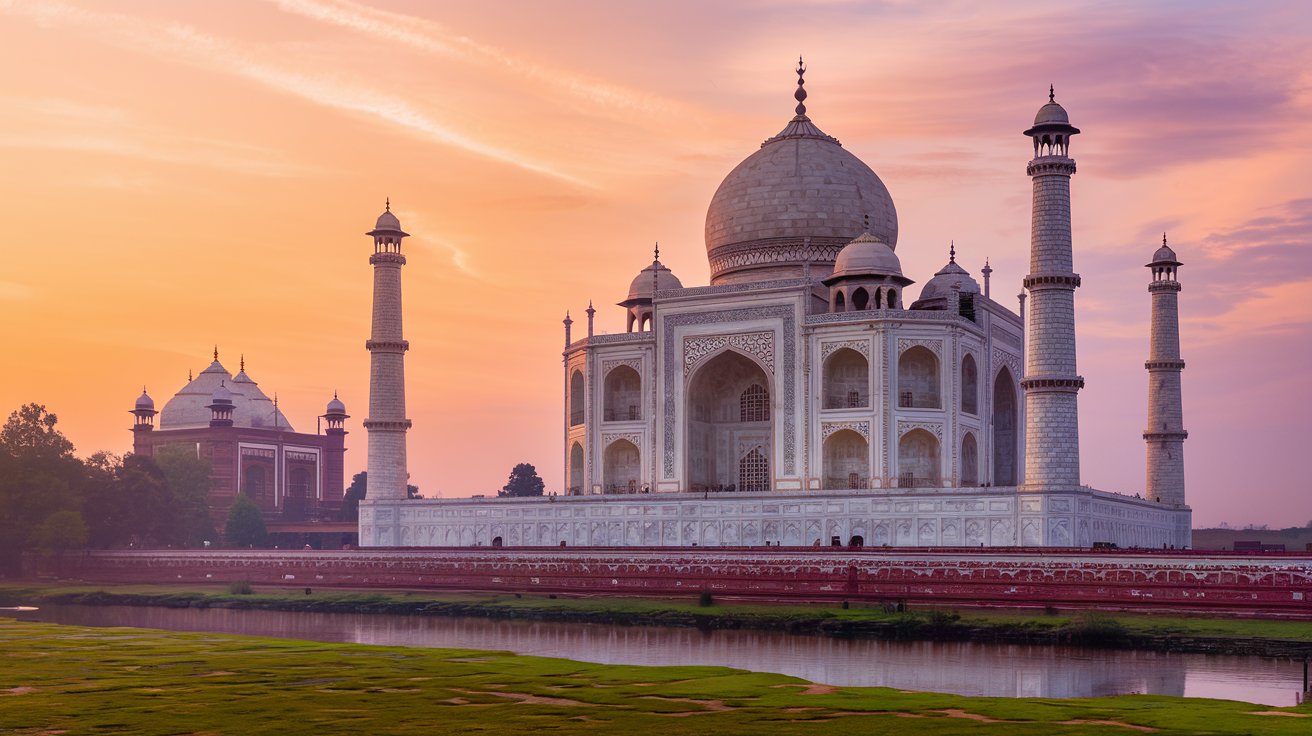
The Taj Mahal, inscribed in 1983, remains India’s most visited heritage site with over 6 million annual visitors, including approximately 200,000 Americans. This ivory-white marble mausoleum in Agra represents the pinnacle of Mughal architecture and is considered the ultimate symbol of love. The nearby Agra Fort, also a World Heritage Site, served as the main residence of Mughal emperors for generations and offers stunning views of the Taj Mahal from its ramparts.
Red Fort and Qutub Minar in Delhi
Delhi houses two significant heritage sites that showcase India’s medieval Islamic architecture. The Red Fort, built by Emperor Shah Jahan, serves as the venue for India’s Independence Day celebrations and represents the power of the Mughal Empire. The Qutub Minar, a 73-meter tall victory tower from the 13th century, stands as the world’s tallest brick minaret and demonstrates early Indo-Islamic architectural fusion.
Remarkable Natural Heritage Sites
India’s natural heritage sites protect some of the world’s most biodiverse ecosystems, from tropical rainforests to high-altitude deserts. These seven natural sites offer American nature enthusiasts unique opportunities to witness endangered species and pristine landscapes that exist nowhere else on Earth.
Sundarbans National Park
The Sundarbans in West Bengal represents the world’s largest mangrove forest and home to the endangered Royal Bengal Tiger. This unique ecosystem covers 10,000 square kilometers and supports over 400 tigers in their natural habitat. American wildlife photographers and nature lovers consider the Sundarbans among the most challenging and rewarding destinations for tiger spotting, with success rates varying by season and weather conditions.
Western Ghats Biodiversity Hotspot
The Western Ghats stretch across six states and contain over 7,400 species of flowering plants, 1,800 species of non-flowering plants, 139 mammal species, and 508 bird species. This mountain range influences the Indian monsoon weather pattern and houses 325 globally threatened species. American researchers and eco-tourists frequently visit research stations in the Western Ghats to study tropical ecology and climate change impacts.
Ancient Rock-Cut Architecture Sites
India’s rock-cut heritage sites demonstrate extraordinary craftsmanship spanning over 2,000 years of artistic evolution. These monuments, carved directly from living rock, showcase the architectural genius of ancient Indian civilizations and continue to inspire modern architects and artists worldwide.
Ajanta and Ellora Caves
The Ajanta Caves in Maharashtra contain 30 rock-cut Buddhist cave monuments dating from the 2nd century BCE to 480 CE, featuring some of the finest examples of ancient Indian art and paintings. The nearby Ellora Caves represent the pinnacle of Indian rock-cut architecture with 34 monasteries and temples spanning three religions: Buddhism, Hinduism, and Jainism. American art historians consider these sites essential for understanding the development of Indian religious art and iconography.
Elephanta Caves Near Mumbai
Located on Elephanta Island, 10 kilometers from Mumbai, the Elephanta Caves house magnificent 5th-century rock-cut temples dedicated to Lord Shiva. The main cave features the famous Trimurti sculpture, a 20-foot-tall three-faced representation of Shiva that ranks among India’s greatest sculptural achievements. This site attracts over 25,000 American tourists annually who combine Mumbai city tours with heritage exploration.
Temple Architecture Heritage Sites
Temple heritage sites in India represent the evolution of religious architecture across different dynasties and regions. These living monuments continue to function as active places of worship while preserving centuries-old architectural traditions and artistic excellence.
Khajuraho Group of Monuments
The Khajuraho temples in Madhya Pradesh showcase the architectural brilliance of the Chandela dynasty from 950-1050 CE. Among the original 85 temples, 22 survive today, featuring intricate stone carvings that depict various aspects of life including spirituality, warfare, and human relationships. American visitors often appreciate the sophisticated engineering and artistic freedom expressed in these 1,000-year-old monuments.
Sun Temple at Konark
The Sun Temple at Konark in Odisha, built in the 13th century, represents the chariot of the Sun God with 24 elaborately carved wheels and seven horses. This architectural masterpiece demonstrates advanced knowledge of astronomy, with the wheels functioning as sundials accurately measuring time. The temple’s declining structural stability has led UNESCO to implement special conservation measures to preserve this unique monument for future generations.
Colonial and Modern Heritage Sites
India’s colonial heritage sites reflect the complex history of British rule and the emergence of modern Indian identity. These sites offer American visitors insights into the colonial period’s impact on Indian society, architecture, and urban planning that shaped contemporary India.
Victorian Gothic and Art Deco Ensembles of Mumbai
Mumbai’s Victorian Gothic and Art Deco buildings represent the largest collection of Art Deco architecture in the world after Miami. These ensembles include 94 buildings that showcase the transition from 19th-century Victorian Gothic revival to 20th-century Art Deco modernism. The Chhatrapati Shivaji Terminus, formerly Victoria Terminus, serves as the crown jewel of Victorian Gothic architecture in India and handles over 3 million passengers daily.
The Architectural Work of Le Corbusier at Chandigarh
Chandigarh represents Le Corbusier’s urban planning vision in India, featuring 17 sites that demonstrate modern architectural principles applied to Indian conditions. The Capitol Complex includes the Secretariat, Legislative Assembly, and High Court buildings that embody functionalist architecture principles. This site forms part of a transnational World Heritage property spanning three countries, making it unique among India’s heritage designations.
Recently Added Heritage Sites (2020-2025)
India’s newest heritage sites demonstrate the country’s ongoing commitment to cultural preservation and UNESCO’s recognition of previously undervalued architectural and cultural traditions. These recent additions have expanded India’s heritage portfolio and attracted increased international attention to lesser-known regional architectural styles.
The Dholavira archaeological site in Gujarat, inscribed in 2021, represents one of the most prominent archaeological sites of the Indus Valley Civilization. This 4,500-year-old Harappan city showcases advanced water conservation systems and urban planning that predates most world civilizations. The Kakatiya Rudreshwara Temple at Palampet, also inscribed in 2021, demonstrates 13th-century Kakatiya dynasty architecture with its floating brick technology and intricate stone carvings.
Related video about world heritage sites in india
This video complements the article information with a practical visual demonstration.
Key Questions and Answers
How many World Heritage Sites are in India currently?
India currently has 44 UNESCO World Heritage Sites as of 2025, making it the sixth country globally with the most heritage designations. This includes 36 cultural sites, 7 natural sites, and 1 mixed site spanning across 25 states and union territories.
Which is the 43rd World Heritage Site in India?
Santiniketan in West Bengal became India’s 43rd World Heritage Site when it was inscribed by UNESCO. This site represents Rabindranath Tagore’s educational philosophy and cultural vision, featuring the Visva-Bharati University campus and surrounding cultural landscape.
What is the 44th World Heritage Site in India?
As of 2025, India has 44 confirmed UNESCO World Heritage Sites, with several sites currently on the tentative list for future consideration. The most recent additions include Dholavira and the Kakatiya Rudreshwara Temple, both inscribed in 2021, and subsequent sites in 2023.
Which sites are best for American tourists visiting India?
American tourists typically prefer the Golden Triangle sites including the Taj Mahal, Red Fort, and Qutub Minar for their accessibility and iconic status. The Ajanta and Ellora Caves, Khajuraho temples, and Kerala’s Western Ghats also rank highly for their unique cultural and natural experiences.
What is the newest World Heritage Site added to India’s list?
The Sacred Ensembles of the Hoysalas became one of India’s most recent additions to the UNESCO World Heritage List. These 12th-13th century temple complexes in Karnataka showcase exceptional Hoysala architecture with intricate stone carvings and unique stellate platform designs.
How do India’s World Heritage Sites compare globally?
India ranks sixth globally with 44 World Heritage Sites, behind Italy (58), China (57), Germany (52), France (49), and Spain (49). India’s sites represent approximately 3% of the world’s total heritage designations and showcase the most diverse range of cultural and natural heritage in Asia.
| Heritage Category | Number of Sites | Key Examples |
|---|---|---|
| Cultural Sites | 36 Sites | Taj Mahal, Red Fort, Ajanta Caves |
| Natural Sites | 7 Sites | Sundarbans, Western Ghats, Kaziranga |
| Mixed Sites | 1 Site | Khangchendzonga National Park |
| Total Heritage Sites | 44 Sites | Global Ranking: 6th Position |